
Advocacy
Featured




It started as a BBQ at a Melbourne needle exchange in 2001. Twenty-five years later, International Overdose Awareness Day is marked in 40+ countries and over 1000 events worldwide, because Australia is still losing seven people a day to overdose. This edition of User’s News looks at the day's history, how communities across NSW are marking the 31st of August this year, and the everyday actions that keep the message alive long after the purple lights go out.
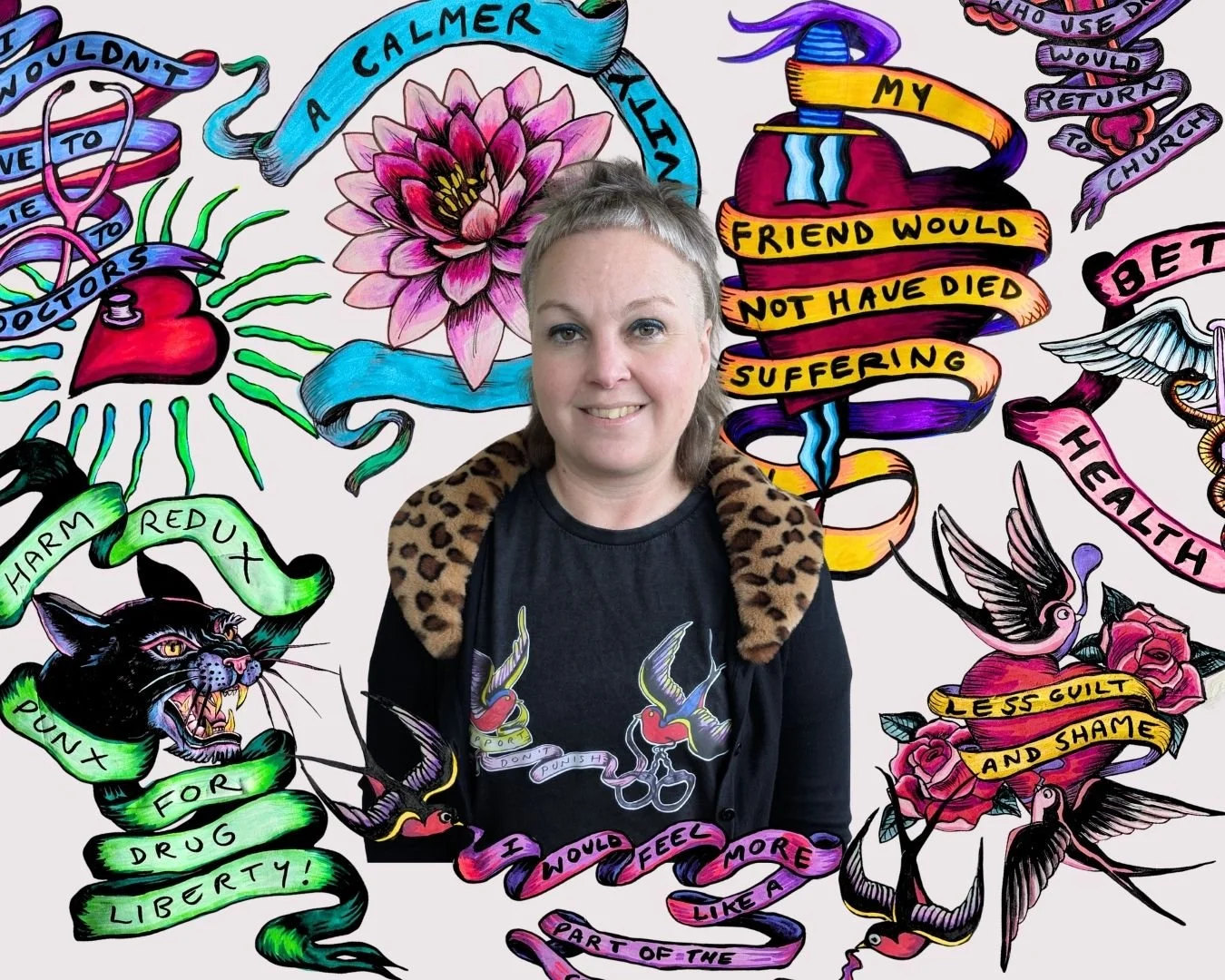
The bold, tattoo-style illustrations behind Australia's Support Don't Punish campaign aren’t created by a design agency, they’re hand drawn by Emily Ebdon, a Tasmanian peer worker and artist with two decades of frontline harm reduction experience.
In this spotlight, Emily talks about feeling creatively constrained in faith-based organisations, finding her voice in the drug user movement, and the process of turning real submissions from people who use drugs across Australia into vibrant artworks.
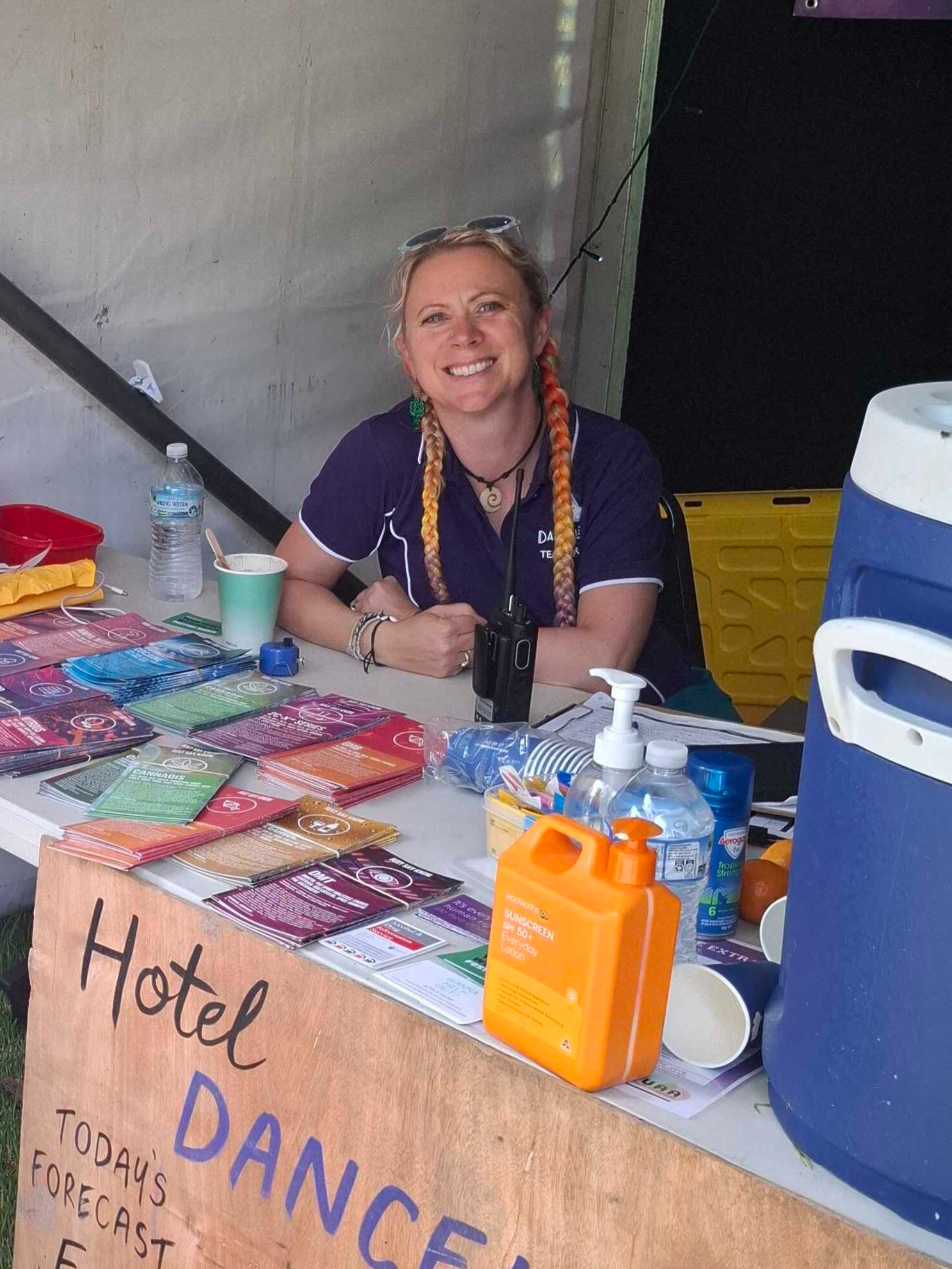
Nermalee is a casual staff member with DanceWize NSW, and a passionate volunteer across four community organisations. In this Users News feature, she shares how she got started, why volunteering matters, and practical advice for anyone looking to get involved and give back.
In 25 years of operation, MSIC has seen over 18,000 clients walk through the door, supervised over 1.35 million injections, and managed over 12,000 overdoses. Not one person has died on its premises.
The mammoth figures and 25-year tenure are no easy feat. The story of how MSIC got here, through political battles, community resistance, tabloid fearmongering, and sheer determination, is one worth telling again, especially as we look ahead to what comes next.
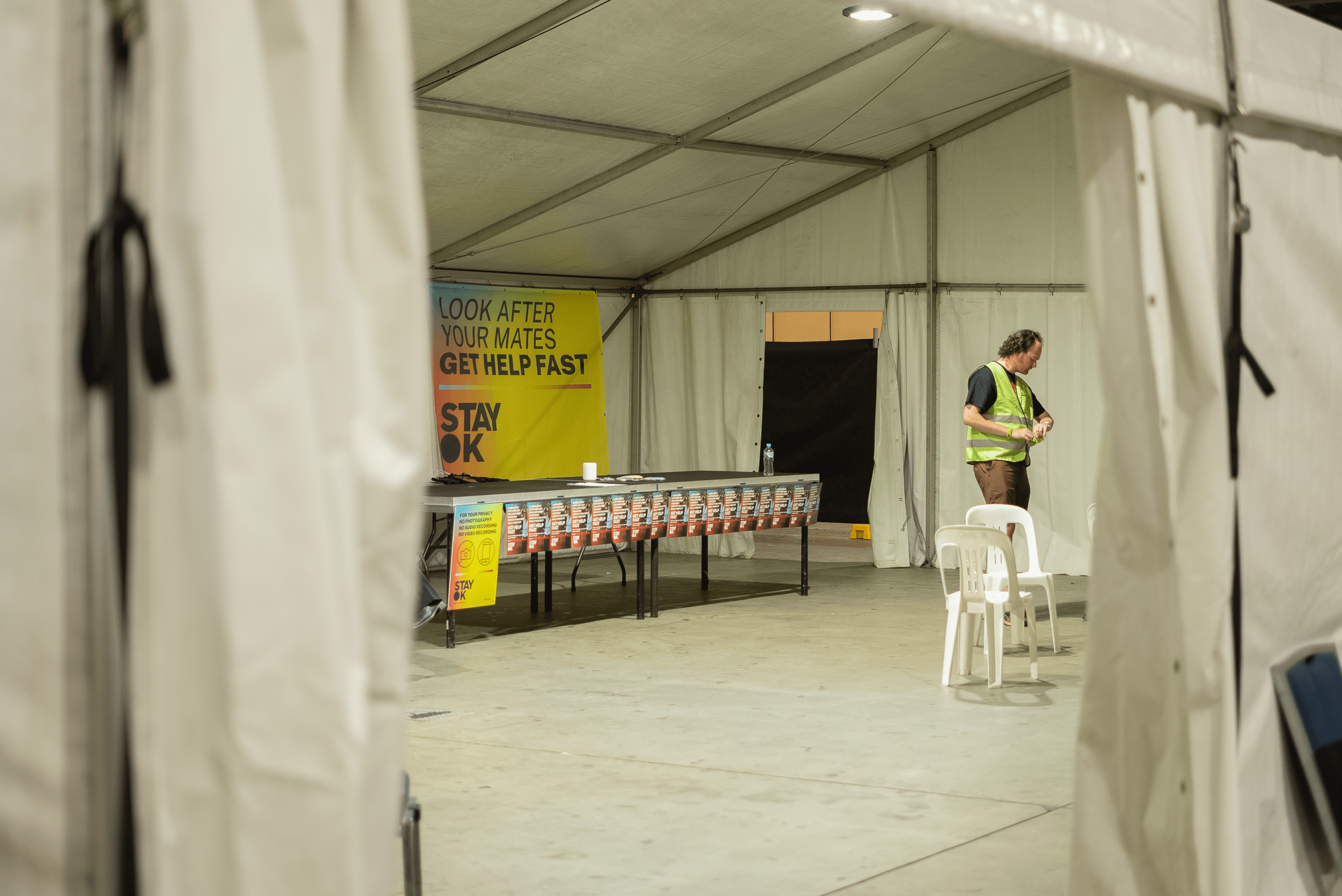
Written at the close of the NSW Drug Checking Trial, Drug Checking Lead Clancy reflects on their time in the role. Drawing on a year of insight they ask a deceptively simple question: if most harm reduction happens invisibly, in communities, without any professional input at all, what are we actually measuring when we evaluate the services we can see?
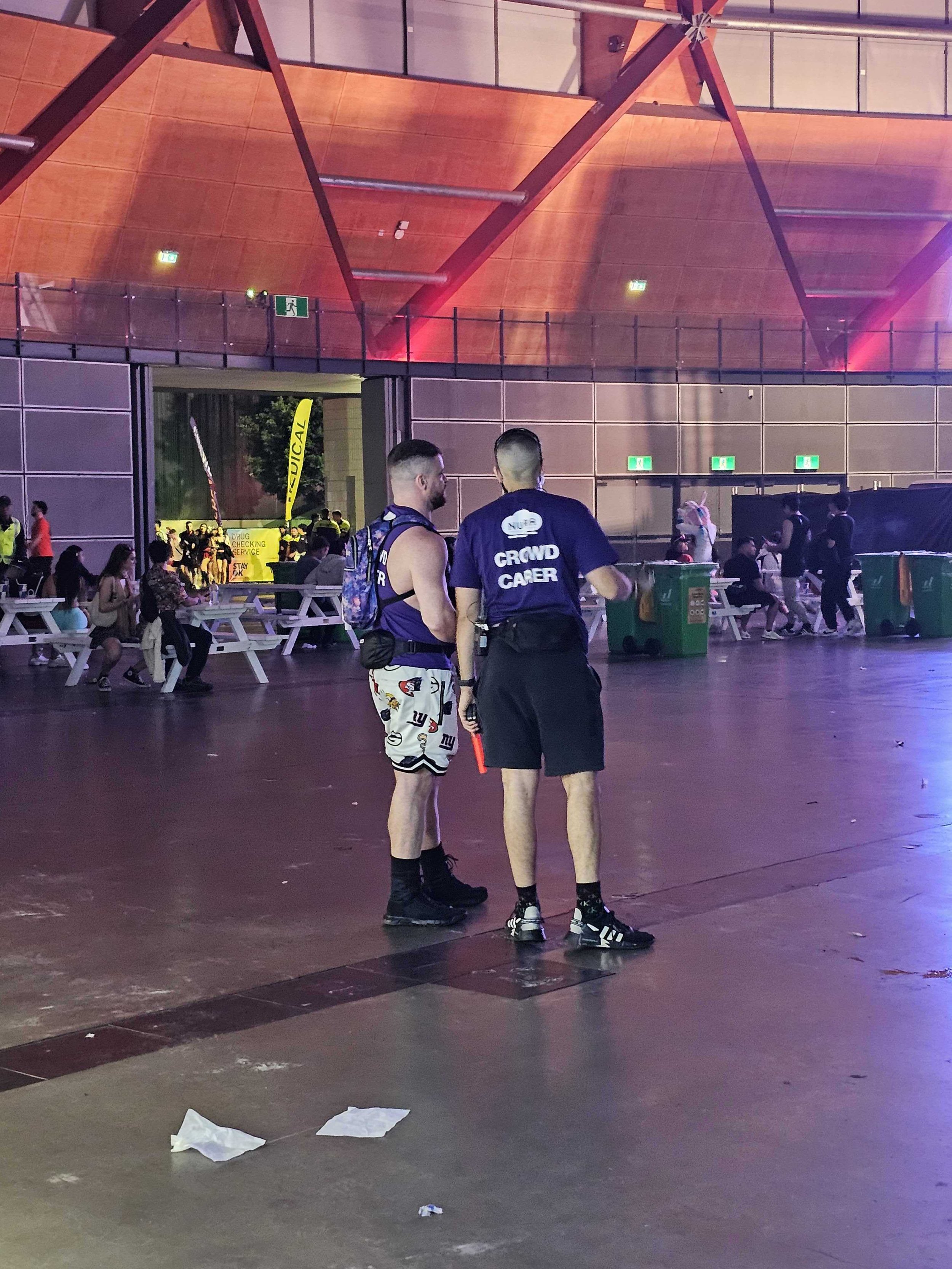
The music was loud, the crowds were sweaty, and somewhere in the thick of it all, near the medical tent, in the middle of a mosh pit, or crouched beside someone on the grass, there were the wolves.
DanceWize NSW have just wrapped up another summer festival season, and boy was it a big one.
As the season winds down and the team takes a well-earned breather, we asked some of the crew to reflect on what it's been like out there on the ground.
This World AIDS Day, NUAA Chairperson Andy Heslop shares his journey living with HIV and calls for an end to stigma. He calls on the community to drop outdated language, embrace people-first communication, and recognise that living with HIV today means living a full, healthy life.
From DanceWize volunteer to sector leader, Shawnee Rose has spent seven years building bridges, breaking down barriers, and championing the power of lived and living experience in alcohol and other drugs work.
NUAA is proud to announce Shawnee Rose as the 2025 Hall of Fame recipient, which was presented at our AGM on Tuesday 18th November. Their journey from first-time DanceWize volunteer to respected peer advocate represents the transformative power of peer work, not just for individuals, but for the entire sector.
After months of waiting, the NSW Government finally released its response to the Drug Summit on 28 October 2025, nearly a year after the Summit took place in December 2024.
We had hoped to end 2025 on a positive note, but we are left feeling somewhat disheartened and conflicted. While there are elements of validation in the government’s response, it also highlights how much work remains to be done.
The NSW Government has delivered its response to the 2024 Drug Summit Report, and there's both progress to acknowledge and work still to be done.
The government supported or supported "in principle" over 50 of the 56 recommendations – a significant commitment that reflects months of consultation with over 700 Summit participants and 3,669 written submissions.
While many in our community and the sector had hoped for bolder reform, there are genuine wins here that will make a difference to people's lives.
This Sunday August 31st marks International Overdose Awareness Day. The theme for 2025 is "one big family, driven by hope", a sentiment thar resonates deeply with our community here at NUAA. On this day we reflect on our shared hope, honour the loved ones we’ve lost to overdose, and come together as a community to further our overdose prevention efforts.
Harm reduction should mean not just reducing the impact of drug use on our bodies, but also reducing the impact of drug use on the environment. This article aims to explore some of the ways that we, as people who use drugs, can achieve that goal.
A new report from Redfern Legal Centre (RLC) has revealed some damning statistics about police strip searches in NSW. The very detailed report calls into question the justification for traumatic intrusive strip searches, in the name of “drug supply reduction”. In the 10 years covered by the report, NSW Police strip searched 82,471 people. Of these, only 1,182 were convicted of supply — a mere 1.43%. That’s a lot of trauma inflicted, for very little supply reduction.
If you’re at a music festival in Australia and police are patrolling with drug sniffer dogs, you know you’re in NSW. On Monday, May 5, the NSW Supreme Court began hearing a class action suit brought on behalf of more than 3000 festival goers over unlawful strip searches between 2016 and 2022.
[CW: sexual assault; descriptions of invasive police searches]
The long-awaited NSW Drug Summit has finally taken place, and NUAA (the organisation that publishes Users News) worked hard to make sure that voices of people with lived and living experience of illicit drug use were represented. While we won’t see the government’s final recommendations until early 2025, on December 19 NSW Premier Chris Minns announced a welcome step in the right direction — drug sample testing at festivals.
Drug harm reduction advocates claim the NSW government is ignoring an unfolding drug crisis. What does this all mean?
Prison and health experts including NUAA have raised concerns over the safety of Australian inmates following a rise in local detections of nitazenes, an extremely strong lab-made opioid.
The Early Drug Diversion Initiative (EDDI) came into effect in NSW on 29th February 2024. Under the new scheme, if you are caught by police with a “small amount” of a single illicit drug, you could now receive a $400 fine instead of a charge and court summons. However, there are some serious limitations in this reform so it’s worth reading the small print.
On 26 September, more than 60 people around the country attended an online event that launched the foundational declaration of Tasmanians with Substance, a collective of people with lived and living experience of using alcohol and other drugs in lutruwita/Tasmania.
How do NSW Parties score on important drug policy reform in NSW? The NSW Users and Aids Association asked registered parties for the upcoming NSW Election a series of questions to understand how their party scores on important issues in NSW Drug Policy Reform. See the scorecard to find out.
Celia is gently spoken and carries herself with a natural dignity and beauty. She has a lifetime of advocating for others, working in her community to improve conditions and documenting life as an urban Aboriginal. Intelligent, opinionated and creative, she is clearly a natural leader, although her modesty does not allow her to think in those terms. Celia was born and raised on the Block in a loving family, and although she has lived elsewhere from time to time — including giving her children a connection to the bush — she always returns to her community in the Redfern/Waterloo area.
3 ways we can reduce instances of sexual based harm, facilitate safe spaces for women at music festivals, and develop a community we are all proud of.
At NUAA’s recent Peers and Consumers Forum, NUAA’s Deputy Chief Executive Officer Charles Henderson gave the keynote address: Driving innovation: the role of NUAA in drug user health in NSW. This is a taste of his awesome presentation.
Keenan Mundine, an Aboriginal man in his thirties, is a co-founder of Deadly Connections, a service supporting Aboriginal people. Keenan was 14 when he first went into juvenile detention and did many years of jail after that. Keenan believed that this life was just normal. But then he began to question the information that was passed onto him. Today, he is a family man who uses his experiences to walk with people from his community towards the lives they want.
What’s going on with the battle for the decriminalisation of drugs in Victoria, Australia? Harm Reduction Victoria’s CEO, Sione Crawford gives us the lowdown.
What is leadership and how can we — people who use or have used drugs — exercise it?
Guest editorial by Mary Ellen Harrod, NUAA CEO
Peer Worker Maureen Steele has been an active and influential peer worker for some 30 years. She has been inducted in the NUAA Hall of Fame for her tireless and outstanding commitment to our community.
NUAA's Peers and Consumers (PaC) Forum returned on Thursday 3rd and Friday 4th of September 2026, bringing peers, workers, clinicians and allies together at the NSW Teacher’s Federation in Sydney.
PaC 2026 brought open and courageous conversations about what it means to be a peer in a time of growth and evolution, all linking to this year’s theme, ‘Shaping Systems, Storytelling, and Power’.