
Holiday Season Safety
Friday, 19 December, 2025
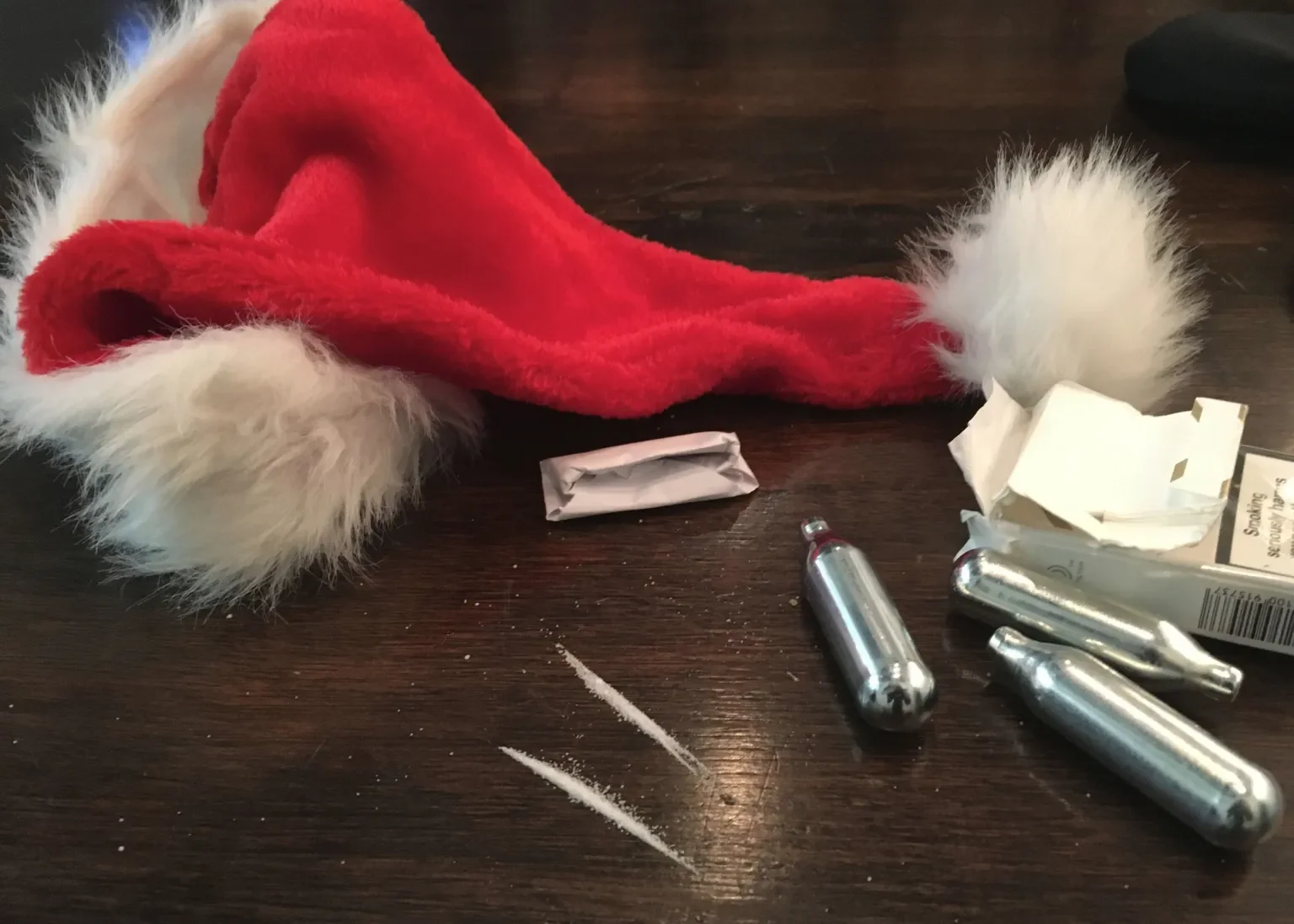
The holiday season can be a challenging time for many people who use drugs. While December and January are traditionally times of celebration and family gatherings, they're also periods when overdose risks increase. The combination of social pressures, emotional stress, an easy access to alcohol and other drugs creates a perfect storm for potential harms.
In Australia, approximately six deaths a day can be attributed to drug use. During the holiday season, when there may be a greater tendency to overindulge, use more than one typically would, or return to using after a break, these risks can be even higher.
Why the Holidays are Higher Risk
Multiple factors converge during the holiday season to increase overdose risk:
Overindulgence: The holiday season often means more partying, more drinking, and more drug use than usual. People feel pressure to celebrate, join in, and "have a good time", which can mean using more than they normally would or mixing substances they don't usually combine.
Emotional and psychological stress: The holidays bring heightened stress, anxiety, depression, and loneliness for many people. Financial pressures, strained family relationships, grief over lost loved ones, and feelings of isolation can be overwhelming. These emotional struggles can lead people to use drugs or alcohol to cope, or to use more than usual.
Changes in routine: The break from regular routines can disrupt patterns that keep people safe. Support services may be closed or have reduced hours. Regular supply sources might be unavailable. People might be in unfamiliar places or with unfamiliar people.
Social pressures and access: Holiday parties and gatherings often normalise drinking and drug use, making it harder to maintain boundaries. The easy availability of substances at celebrations can be triggering for people trying to manage their use.
The Issue of Tolerance
One of the most dangerous aspects of returning to drug use after any break is the rapid loss of tolerance. This applies whether someone has been in treatment, in hospital, incarcerated, or simply reduced their use.
Research shows that tolerance can decrease within just a few days of not using. When someone returns to using the same amount they did before their break, what was once a manageable dose can become lethal. This is especially true for opioids.
If you haven't used in a while, whether by choice or circumstance, you can reduce your risk by:
Starting with a smaller amount than you have used before
Not using alone
Having naloxone readily available
Telling someone you trust what you're doing
Testing your drugs if possible
Avoid mixing drugs, especially with alcohol
Risks for Older People Who Use Drugs
The quadrupling of overdose deaths among people 65 and older represents a crisis that's been largely overlooked. By 2021, 1 in 370 senior deaths stemmed from overdoses, with nearly three-quarters of unintentional fatalities involving illicit drugs like synthetic opioids (fentanyl), heroin, cocaine, and methamphetamines.
Older adults face unique risk factors:
Prescription medications: Many older adults take medications for pain, anxiety, sleep problems, or other health conditions. These prescription medications can interact dangerously with alcohol and other drugs. Opioid painkillers, benzodiazepines (like Valium or temazepam), sleeping pills, and antidepressants all carry serious risks when combined with alcohol or other substances.
Changes in prescribing practices: Many older people have told us about difficulties getting their regular prescriptions. Some have had long-term benzodiazepine prescriptions stopped when their doctor retired, with new doctors refusing to continue the prescription. This can lead people to seek alternatives that may be riskier.
If you take prescription medications regularly and also use other drugs or alcohol, it's worth checking with Healthdirect about potential interactions. You don't have to mention everything, you can ask generally about whether a medication interacts with alcohol or other substances.
Multiple medications: Many older adults take several medications simultaneously, increasing the risk of dangerous interactions. Drugs that depress the central nervous system, including opioids, benzodiazepines (like Valium or Xanax), antidepressants, and sleeping pills, can have cumulative effects when combined.
Physical changes: Age related changes in how the body processes drugs may make older adults more vulnerable. Decreased liver and kidney function means drugs stay in the system longer. Respiratory conditions like Chronic Obstructive Pulmonary Disease, asthma, or sleep apnoea increase vulnerability to opioid-induced respiratory depression.
Lower treatment access: Current gaps in healthcare mean many older adults lack access to adequate drug & alcohol related support.
Opioids and Alcohol
Mixing opioids with alcohol can be extremely dangerous. Both slow down your breathing and heart rate. When you mix them, these effects add up and can quickly become risky.
How They Work Together
Both alcohol and opioids are ‘depressants’, they slow down your brain and body. Mixing two respiratory depressants can produce severe respiratory depression, sedation, and heightened risk of overdose.
What is the risk?
When you mix alcohol and opioids:
Your breathing slows down more than with either drug alone
You can pass out and stop breathing completely
The effects are hard to predict, even small amounts can be deadly
You're more likely to choke or have accidents
Your judgement declines, so you might take more than you planned
This applies to all opioids:
Heroin
Fentanyl (including in cocaine, meth, or counterfeit pills)
Prescription painkillers (oxycodone, hydrocodone, morphine, codeine)
Methadone
Suboxone/buprenorphine
During the holidays, when drinking is more common, be extra careful. If you're on a medication like methadone or buprenorphine, even a few drinks can be dangerous.
Other Risky Combinations
The same warnings apply to mixing alcohol with:
Sleeping pills
Anti-anxiety medications (like Xanax, Valium)
Antidepressants (SSRIs and MAOIs)
Other sedatives
These all slow down your breathing and heart. Mixing them with alcohol or opioids increases your risk.
Prescription Medications
Many people take prescription medications every day. These can make overdose more likely, even if you're careful.
Medications that increase overdose risk include:
Blood pressure medications
Heart medications
Diabetes medications
Medications that affect the liver or kidneys
Sleeping pills and anxiety medications
Antidepressants
If you take any prescription medications regularly, they can interact with the drugs you use. If you are comfortable discussing it with them, your doctor or pharmacist can tell you about interactions. They can only help if you're honest about what you're using, though this may not always be possible. You can also call HealthDirect and speak to health professional who can answer questions. They are open 24 hours, 7 days a week, and are contactable on 1800 022 222.
How to Stay Safer During the Holiday Season
While there's no way to make drug use completely safe, here are some ways you can lower your risk:
Plan ahead
The holidays can be stressful and trigger urges to use more
Have a plan for difficult social situations
Know where to access support services during the holiday period
Stock up on harm reduction supplies like naloxone and clean equipment
Manage emotional wellbeing
It's okay to say no to social events that feel overwhelming
Reach out for support if you're feeling lonely, sad, or stressed
Remember that not everyone has a happy holiday season, and that's okay
Consider connecting with support services before the busy period
Be cautious with alcohol
Alcohol is everywhere during the holidays, which can be triggering
Remember that mixing alcohol with any other drugs increases risks
If you're going to drink, plan for how to stay safer
Don't feel pressured to "join in" if it's not safe for you
Watch for warning signs
Using more than usual
Using alone more often
Mixing substances you don't normally mix
Feeling out of control
Noticing your supply has changed
If you're in recovery or haven't used in a while
Remember your tolerance has dropped
Have extra support available during this period
Know your triggers and have a plan for managing them
Keep naloxone with you at all times
If you do use, start with a tiny amount
General Harm Reduction
Avoid using alone: Have someone with you who can call for help. If you must use alone, consider using The Uniting Medically Supervised Injecting Centre (Sydney), or use the Staying Safe telephone line where someone will stay on the phone while you use.
Always carry naloxone: Naloxone reverses opioid overdose. It's available from many pharmacies without a prescription, through NSPs, and via NUAA's postal NSP. Make sure people around you know how to use it – watch NUAA's naloxone training video.
Test your drugs: Drug checking services are available in some areas. NUAA also offers drug testing kits that can detect fentanyl and other substances.
Start low, go slow: Especially if your supply has changed, you haven't used in a while, or you're in a new place.
Don't mix: Using one drug at a time is always safer than mixing. This is especially important with opioids and alcohol, opioids and benzodiazepines, or any combination of depressants.
Stay hydrated and look after yourself: Get enough sleep, eat regularly, and take care of your basic health. Being run down increases overdose risk.
Know the Signs of Overdose
Opioid overdose signs:
Pin-point pupils
Difficulty speaking or walking
Drowsiness
Loss of consciousness
Slow breathing/snoring
Skin turning blue (if light skinned) or grey (if darker skinned)
What to do:
Call 000 immediately or seek urgent medical attention
Give naloxone if available, multiple doses may be required
If the naloxone is not working, do rescue breathing or CPR if you know how
Put the person on their side in recovery position
Stay with them until help arrives
You will not get in trouble for seeking help.
Getting Naloxone
Naloxone can reverse opioid overdose. It's available:
Through community organisations and NSPs
From local health departments
Through NUAA’s postal NSP
In Summary
The holiday season brings extra risks for people who use drugs, especially older people and those who haven't used in a while. The biggest risks are:
Lost tolerance after a break from using
Mixing opioids with alcohol or other sedatives
Using alone without anyone to help if something goes wrong
Interactions with prescription medications
Holiday stress leading to increased use
Stay safer by using less if your tolerance is lower, avoid mixing with alcohol, always having naloxone available, and avoiding using alone.
With preparation, knowledge, and harm reduction strategies, you can get through this season safely. You don't have to face these risks alone. Reach out to NUAA, friends or family you trust, your healthcare providers, or harm reduction services in your area for support.
The holidays can be difficult, but they don't have to be deadly. Stay safe, take care of yourself, and take care of each other.
Where to Get Help
Emergency support:
Ambulance: 000
Crisis support: Lifeline 13 11 14
Drug and alcohol information and support:
Alcohol and Drug Information Service (ADIS): 1800 250 015 (24/7)
National Alcohol and Other Drug Hotline: 1800 250 015
Healthdirect: 1800 022 222 (24/7) – for health advice including medication interactions
NUAA services:
NUAA website – information, resources, and peer support
NUAA postal NSP – harm reduction supplies delivered discreetly
Find your local NSP at NSP Finder
Mental health support:
Beyond Blue: 1300 22 4636
MensLine Australia: 1300 78 99 78
Telephone support while using:
Staying Safe – phone service for people using alone
Supervised consumption:
Uniting Medically Supervised Injecting Centre, Kings Cross Sydney
Online resources:
Your Room – NSW Health drug and alcohol information