
Know Your Routes: Injecting Types & Risks
Friday, 17 April, 2026
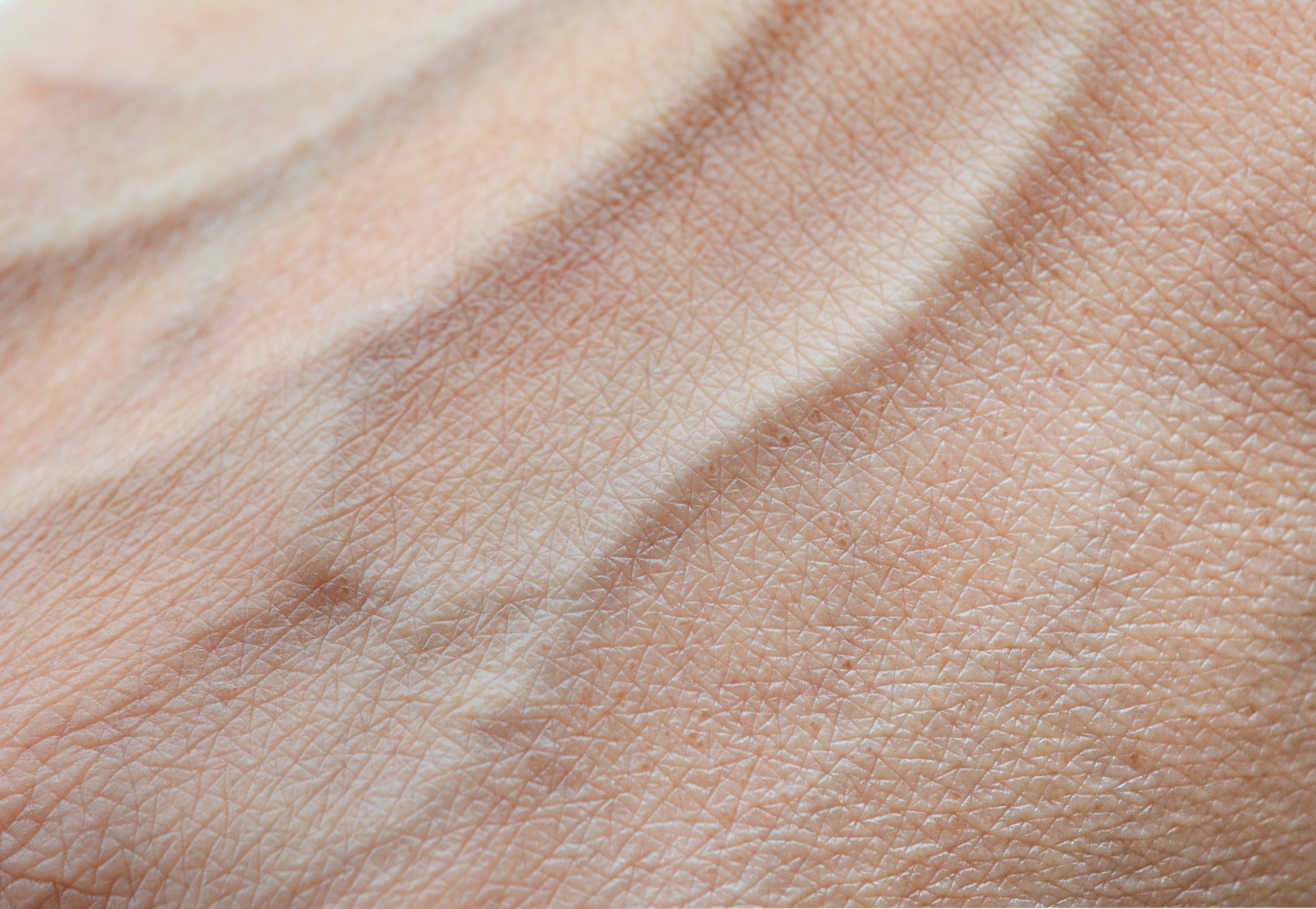
How a drug enters your body — the route of administration — can really change how it feels, how fast it hits, and how long it lasts. Knowing the risks associated with the different routes of administration will help you make choices to reduce these risks.
Sometimes the drug you are using sets the route of administration. For example, PIEDS are universally injected into a muscle. Not all drugs can be injected with just any route of administration either.
There are three main ways people inject drugs:
Intravenous (IV): into a vein
Intramuscular (IM): into a muscle
Subcutaneous (SC): under the skin (also called "skin popping")
Each route carries its own set of risks. Understanding these can help you make safer choices.
Intravenous (IV): Into a Vein
IV injection means injecting directly into a vein, so the drug goes straight into your bloodstream. This is the most common method for people who inject drugs, because it delivers the fastest and most intense effect.
Why do people choose IV?
The drug crosses the blood brain barrier, which means it hits your system almost immediately. There's little to no drug wasted and you get the full effect of whatever you've used.
The risks
IV is often considered to be one of the risker routes of administration. Because the needle goes directly into a vein, any contamination — bacteria, particles, air — goes directly into your bloodstream.
Vein damage: Repeated injections in the same spot cause scarring, collapse, and permanent loss of usable veins.
Abscesses and infection: Bacteria entering the bloodstream can cause abscesses, cellulitis, or serious infections like endocarditis (infection of the heart).
Blood-borne viruses: Sharing needles or other equipment is the main way hepatitis C and HIV spread among people who inject drugs.
Overdose risk: Because the drug acts so quickly, there's very little time to react if you've used too much.
Blood clots (DVT): Injecting into leg or groin veins can cause deep vein thrombosis, dangerous clots that can travel to your lungs.
Intramuscular (IM): Into a Muscle
IM injection means injecting into muscle tissue, usually the upper arm, thigh, or buttocks. The drug is absorbed more slowly than IV, as it moves from muscle tissue into the bloodstream over time.
Why do people choose IM?
IM can be used when veins are hard to access. It doesn't require the same precision as IV, and for some drugs (including some prescribed medications), IM is actually the intended route.
The risks
Abscesses: Injecting into muscle carries a high risk of abscess formation, especially if the injection site isn't clean or if the drug is irritating to tissue.
Nerve damage: Hitting a nerve accidentally can cause pain, numbness, or lasting injury. The sciatic nerve in the buttocks is particularly vulnerable.
Tissue damage: Drugs that are caustic or heavily cut can destroy muscle tissue (a condition called necrotising fasciitis in severe cases).
Slower overdose recognition: Because the drug is released slowly, overdose symptoms may be delayed and harder to detect.
Infection spreading inward: Unlike a surface abscess, a deep muscle infection can spread quickly and be harder to treat.
Wound botulism: A rare but life-threatening risk. The bacteria Clostridium botulinum can thrive in low oxygen environments. Symptoms include weakness, difficulty swallowing, blurred vision, and breathing difficulty. Seek emergency help immediately.
Subcutaneous (SC): Under the Skin
SC injection (also called "skin popping") means injecting just under the skin into the fatty tissue layer, rather than into a vein or muscle. The drug is absorbed slowly from there into the bloodstream. This may not be a common route of injection for people who inject drugs, though the risks are still worth mentioning. It can also happen accidentally through a missed hit.
Why do people choose SC?
SC is sometimes used when veins are too damaged or collapsed to access. The technique is less precise than IV, making it easier for some people.
The risks
SC carries some of the highest infection risks of all three routes due to the anatomical location of the injection, tissue damage, and risk of contaminants remaining trapped in the fat layer.
The risk is high in non-sterile settings because the fat tissue has less active blood flow than muscle or veins, meaning contaminants are absorbed slower and there’s a higher chance of injection.
Abscesses: SC injection is strongly associated with abscess formation. The skin and fatty tissue don't have the same blood supply as muscle or veins, so infections don't clear as easily.
Wound botulism: A rare but life-threatening risk. The bacteria Clostridium botulinum can thrive in low oxygen environments like skin tissue. Symptoms include weakness, difficulty swallowing, blurred vision, and breathing difficulty. Seek emergency help immediately.
Scarring and skin damage: Repeated SC injections cause significant scarring and hardening of the skin over time.
Slower and unpredictable effects: Because absorption is slow and uneven, it can be hard to gauge how much you've used, increasing overdose risk.
Necrosis (tissue death): Irritating substances can kill skin and tissue at the injection site, creating wounds that don't heal.
Injection Related Injuries & Diseases
No matter which route you use, injecting drugs, like any type of drug use, comes with its own unique range of risks and health conditions. When we talk about the risks of injecting drugs, blood borne viruses like hep C usually take centre stage. But viruses aren’t the only danger when you’re injecting. A ‘dirty shot’ can cause bacterial infections, blood poisoning and other complications that can be just as nasty, and sometimes even more dangerous. Some heal up with the right care, others can be life-threatening if you don’t get help fast enough.
Let’s break down what can go wrong and how to reduce the risks.
Abscesses: The Painful Pocket of Pus
An abscess is a collection of pus caught within inflamed tissue. It can be caused by a wide range of bacterial and fungal infections that get into your body through an injection site.
How do you know if you’ve got an abscess? Look out for:
Raised skin surface
Heat in the area
Tenderness and serious pain
Redness of the skin
Pus formation
A foul smell if there’s any weeping/discharge
If you develop an abscess, you need to see a nurse as soon as possible. It will require antibiotic treatment and possibly lancing (cutting it open) to release the pus.
Warning: Never try to lance or puncture an abscess yourself. This can spread the infection, and without proper antibiotics, you can quickly develop septicaemia (blood poisoning), which itself can be deadly.
One way to lessen the risk of abscesses is to rotate your injecting sites. This gives each area time to heal and reduces the chance of swelling and infection.
Golden Staph: It’s There and It’s on You
Golden staph is a very common bacteria that lives on most people’s skin, and in their nose or throats. It’s usually harmless when it’s just sitting on your skin. But when you inject, especially without sterilising the injection area first, you risk these bacteria getting into your bloodstream. Once they’re in there, they make you really sick, and can be deadly if not treated.
The scary thing about golden staph is you can get it even from re-using your own needle. That’s why sterilising the area before you inject and using a fresh fit each time is important.
Ulcers: When Wounds Won’t Heal
Ulcers form when the skin is broken, from injecting, scratching, or knocking yourself, and the slow flow of blood means that your cells can’t reproduce quickly enough to heal the wound. The result is a moist, painful wound that can take ages to heal and can easily get infected.
A bunch of factors can affect how quickly ulcers heal:
Your diet and nutrition
Stress levels
General health
Excessive drug and alcohol use
All of these things can slow down your body’s ability to repair itself and increase the risk of ulcers.
Cellulitis: Red, Hot, and Dangerous
Cellulitis is a painful spreading inflammation of the skin. It appears red, hot and tender to touch, and is swollen with fluid. It’s different from an abscess because it doesn’t have defined edges, it spreads.
Cellulitis can happen when:
Irritant substances (like pills containing chalk and wax, or methadone) get lodged in body tissues
You develop a serious infection
Treatment includes resting and raising the affected limb, plus antibiotics and anti-inflammatory drugs. Never inject into areas that show signs of cellulitis or inflammation.
You can reduce your risk of cellulitis by:
Using clean injecting equipment
Using sterile water
Avoiding injecting irritants or heavily cut drugs
Not injecting large volumes of liquid
Phlebitis: When Your Veins Get Irritated
Phlebitis is an irritation of the smooth inner lining of a vein. This roughening can encourage blood clots to form. When this happens, the vein becomes inflamed and you can sometimes feel like a thick cord beneath the skin.
Phlebitis can be caused by:
Injecting irritant substances
Poor injecting technique
Infection
Accidental injury (knocks or blows)
Repeated IV injecting, especially with blunt needles
A dangerous complication of phlebitis is deep vein thrombosis (DVT), which can lead to a blood clot in your lungs (pulmonary embolism).
Deep Vein Thrombosis (DVT): The Groin Injector’s Nightmare
Injecting, particularly in the leg or groin, can cause dangerous blood clots to form in the deep veins of your leg. These clot formations are known as Deep Vein Thrombosis or DVT.
The symptoms of a DVT include redness, pain and swelling of the leg. If you inject in the groin and get these symptoms, you need to knock up and get medical help immediately.
Here’s where it gets serious. If you have symptoms of DVT and you get chest pains and become breathless, seek medical help. The blood clot may have broken away from the vein, travelled through your body and gotten stuck in your lungs. This is called a pulmonary embolism (PE) and it can be deadly.
In hospital, DVT and other blood clots can be treated with injections that dissolve the clot. But treatment needs to happen quickly.
Vein Blockage and Collapse: Losing Your Lines
Veins can become temporarily blocked if the internal lining swells up in response to repeated injury or irritation. For people who inject, this can be caused by the needle, by the substance you’re injecting, or both. Once the swelling goes down, circulation usually comes back.
Veins can collapse over time. This can happen if you inject a lot, use the same spot, or inject large amounts of a substance (like methadone or pills). It also happens when a drug irritates your veins, if your technique is rough, or if your fits are blunt.
When the flow of blood through your limbs has been badly affected, serious problems can develop, including:
Ulcers
Scarring
Local infections
Gangrene
Thrombosis: Blood Clots That Stick Around
Blood clots form when there’s a disturbance in the blood flow. Damage to the lining of a vein can cause clotting where there is damage. These clots stick to the lining and are called thromboses.
A blood clot inside a vein does the same thing as a blood clot on the surface, it hardens and turns to scar tissue that shrinks and pulls the edges of the vein together. It’s this pulling together that makes veins collapse. Veins that have collapsed this way don’t unblock, the blood has to find another route back to your heart.
Wound Botulism: A Nervous System Nightmare
A rare but very serious risk for people who inject drugs via any route, though particularly risky for those who skin pop or inject into muscle due to the lack of oxygen supply to the area. The bacterium Clostridium botulinum can grow in wound tissue and produce a toxin that attacks the nervous system.
Symptoms: weakness, drooping eyelids, difficulty swallowing, slurred speech, blurred vision, breathing problems.
This is a medical emergency. Call 000 immediately.
How to Reduce Your Risk
The best way to avoid all these nasty complications is to practice harm reduction. At NUAA we know that not everyone has secure housing, but we can still take steps to reduce our risks. Here’s what harm reduction looks like:
Use a New or Sterile Fit Every Time
It’s not enough to just avoid sharing equipment with other people. Even if it is your own used equipment, fits get blunt after just one shot, and blunt needles cause tissue damage. Old fits are also where bacteria can grow, leading to dirty shots and infection risk.
Wash Your Hands & Injection Site
Before and after injecting, wash your hands properly. Best practice is warm water and liquid soap. Rub well between each finger, the front and back of your hands, all the way up to your wrists. If possible, use warm water to rinse and rinse with your hands/fingers pointing downwards.
A simple hand wash can prevent some truly horrific infections. Use paper towel or similar to dry, don’t use your clothes. Make sure to dry your hands thoroughly, wet hands carry bacteria.
If you don't have access to warm water and liquid soap, you can run your hands under running water. Rub your hands like you would do if you had soap, dry with paper towels. The friction will remove bacteria. You can also get extra alcohol swabs from your NSP and use swabs to clean your hands. Use swabs to clean each finger, palms, and backs of hands. Try to rub in one direction and don’t go over a place you have already swabbed.
Rotate Your Injection Sites
Give your veins a break. Rotating sites reduces the risk of inflammation, infection and abscess formation.
Read more about Vein Care here: Vein Care for People Who Inject Drugs — Users News (UN)
Know When to Seek Help
Don't wait if you notice any of the following. Getting treated early can prevent a serious problem becoming life-threatening.
Signs of an abscess (raised, hot, painful, red skin with pus)
Signs of cellulitis (spreading redness, heat, swelling)
Signs of DVT (redness, pain, swelling in your leg, especially if you inject in the groin)
Signs of phlebitis (inflamed vein that feels like a cord under the skin)
Any ulcer that won’t heal
Chest pain and breathlessness (could be a blood clot)
Fever, chills, and feeling seriously unwell after injecting
Weakness, drooping eyelids, or difficulty swallowing after skin popping (possible botulism)
Filter Your Drugs
Filtering keeps nasties out of your shot, and helps to keep your veins in good condition. While you can’t filter out viruses like hep C, you can filter out bacteria that cause dirty shots and abscesses.
NUAA’s Postal NSP stock Sterifilts or wheel filters, but if you’re in a pinch here are other DIY options. Whatever you use, make sure it’s sterile and don’t reuse it.
Cotton from tampons or pads (a top option as these are sterile until opened)
Tea bag cotton string or filter paper
Cotton rollie filter
Cotton from an ear bud
Tiny piece of clean fabric
If you’re injecting pills the recommendation is to filter your mix at least three times using cotton or other DIY filters to remove impurities.
These are not foolproof and still carry a risk of contamination as they aren’t sterile. Lastly, we’ve said it before but will say it again, always clean your hands, this reduces your risk massively.
How to Filter:
Wash your hands or use gloves before handling filters to help avoid infections and dirty shots.
Take your filter from the centre or least handled part of the cotton, tampon, fluff, paper etc.
If using cotton string or fluff, press into a tight, tiny ball. (You can roll paper into a ball too but you need to use something to keep it tight and stop it swelling when wet, like putting it in the end hole of a safety pin.)
Float a very small piece in your mix. It only has to be slightly bigger than the needle end.
Rest the needle lightly on top so that you are pulling the liquid into the fit through the filter.
This previous Users News story has more info on filtering: Filtering Pills — Users News (UN)
One crucial warning: Never use hot water to dissolve pills. Hot water can appear to dissolve particles, but when the water cools down later these will reform in your veins. This can do some nasty damage.
Getting Safe Injecting Equipment
NUAA’s Postal NSP: NUAA runs one of NSW's most accessible NSPs. Whether you're in Sydney or a rural area, there are options to get free, sterile injecting equipment.
NSW Health NSP outlets: primary NSP sites across the state, often at community health centres: Find your nearest outlet
Pharmacies: many pharmacies across NSW sell Fitpacks (containing syringes and equipment). No prescription needed. You can also participate in the fitpack scheme. If you bring used syringes back, you can swap them for new fitpack at no cost.
Secondary NSP services including some hospitals, community services, and outreach programs
24/7 vending machines available in rural and regional areas where NSP access is lower, and at several metro Sydney locations including RPA Hospital and Sydney Hospital
NUAA Outreach and Peer Distribution: NUAA's peer workers travel throughout NSW to deliver equipment to people in rural, regional, and remote areas: nuaa.org.au/outreach
It's legal to possess sterile syringes in NSW. You cannot be arrested just for carrying sterile injecting equipment.However, you can be charged with self-administration if you are found with used equipment and confess to using it.
Though this article focuses on injecting related risks, all types of drug use have their own associated risks. But knowing what can go wrong and how to reduce those risks puts you in control. A new fit, clean hands, swabbing, and filtering might seem like small things, but they can make a big difference between a safe shot and a trip to the hospital, or worse.
Stay safe, look after your veins, and don’t be afraid to seek help when something doesn’t feel right.