
Hepatitis C isn’t just linked to injecting drug use
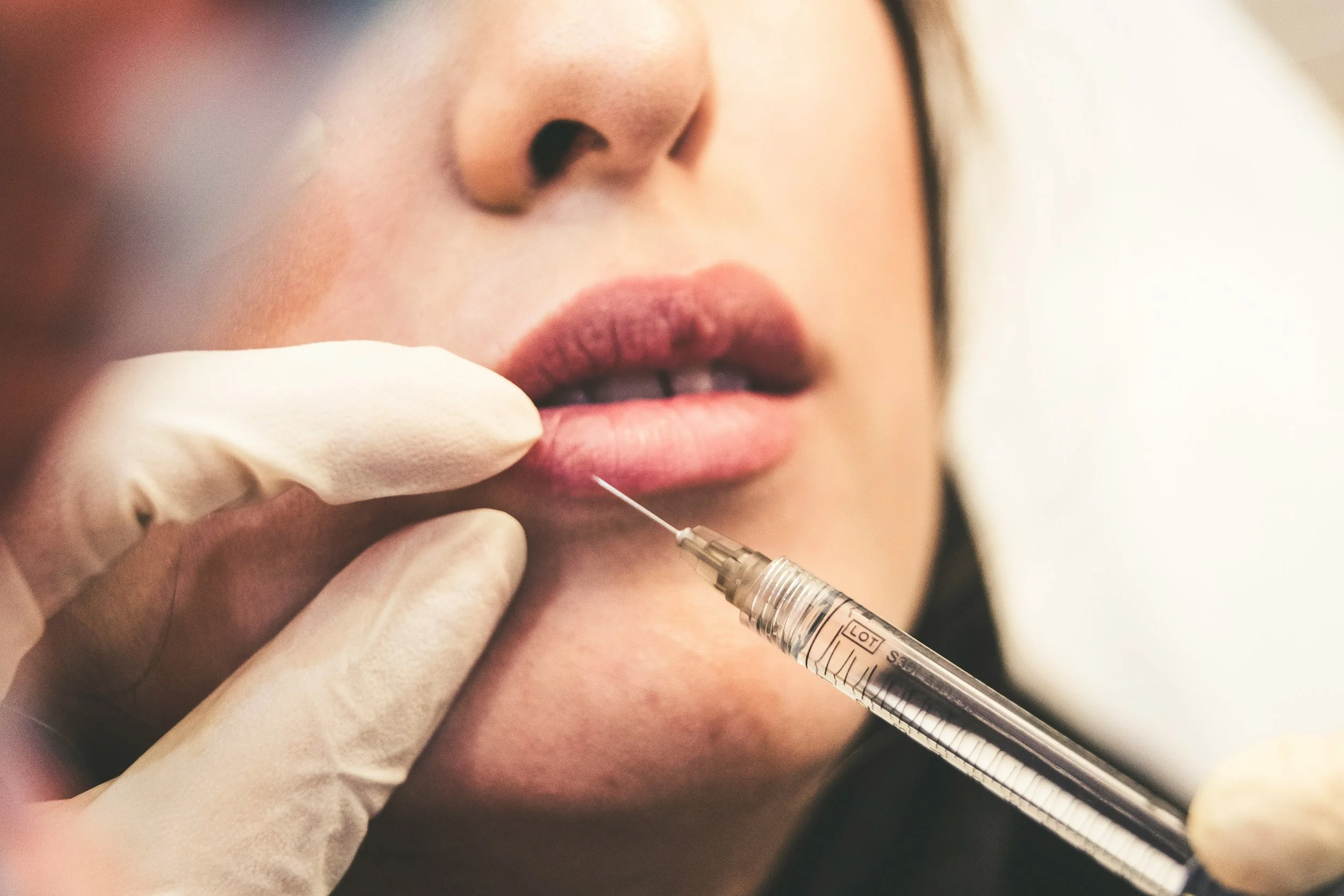
Users News looks into some lesser known facts about hep C, exploring the transmission routes that don’t get discussed publicly as much. Everything from dodgy cosmetic surgeries to fights in jail.

Prison tattooing and backyard ink: How to navigate these age-old traditions
Users News explores the appeal and health risks of illegal tattooing.

High intensity hep C testing in NSW prisons
This year, NUAA outreach workers have participated in 2 successful high-intensity testing campaigns in NSW Correctional Centres. In April, the HITC crew were in Nowra at the South Coast Correctional Centre where over 90% of the population received a hep C test. This was followed by another successful event at the Bathurst Correctional Centre in June.

Why do we need Needle and Syringe Programs in Australian prisons?
Reflections on the missing piece in the hepatitis C elimination puzzle: the supply of clean sterile injecting equipment in Australian correctional centres.

The ABC of hep C
Hepatitis means 'inflammation of the liver'. The liver is a vital organ — it does over 500 things, including detoxing the body of the poisons in medications, pollution and processed foods; storing iron and other vitamins; storing energy from food and releasing it when you need it; and defending against germs like flus and colds.

Using in jail and hep C
Interview with 3 people with lived experience of incarceration who gave us the lowdown on the risk of hep C in jail and how it is best avoided.

More than 600 people tested for hep C by Peers on Wheels
In late March, the Peers on Wheels (POW) project carried out its 600th Point of Care Test (POCT) for the hep C virus. The POW project is an ongoing 1-year pilot scheme by NUAA — in partnership with The Kirby Institute, NSW Health, and selected Local Health Districts — to bring hep C testing and treatment to people who inject drugs, wherever they are in NSW.

Aunty Libby says: “Get tested! Get treated!”
Hep C isn’t nice. It makes you feel permanently sick and run down. There are reasons, however, why people might be reluctant about getting treated. Before 2016, the main treatment was Interferon. As Aunt Libby — an Aboriginal elder and grandmother of 13 (soon to be 14) — explains, that treatment could feel worse than the illness it was curing. The good news is that the new treatment (a box of pills called “Direct Acting Antivirals” or DAAs) is much easier: fewer pills, no injections and much fewer side effects. Furthermore, they are free or cheap, and if you get reinfected you can do the treatment again — as many times as you need to. Aunt Libby has had both hep C treatments. In this article she compares the 2 and says, “I’d recommend this treatment to anyone. But Interferon, they can forget about that one!”

I said, “I'll use more drugs and deal with my hep C tomorrow.” But tomorrow turned into 10 years. | Kate’s story
Kate is a proud Aboriginal woman who has a history of injecting heroin. She wants to share her unique experience of clearing hep C twice, nearly 2 decades apart. Her first treatment was in prison in the early 2000s, with Interferon. Soon after she got out of prison, she got hep C again and didn’t get treated until 2019. Getting treated a second time has been life changing for her and she now supports peers with hep C and drug use.

Letters from Inside
These are 2 of the letters to Users News has received from incarcerated peers. Miranda writes to us about getting cured of hep-C and overcoming past trauma. Bill says “Thank God for Buvidal!” because using in jail can be really stressful.
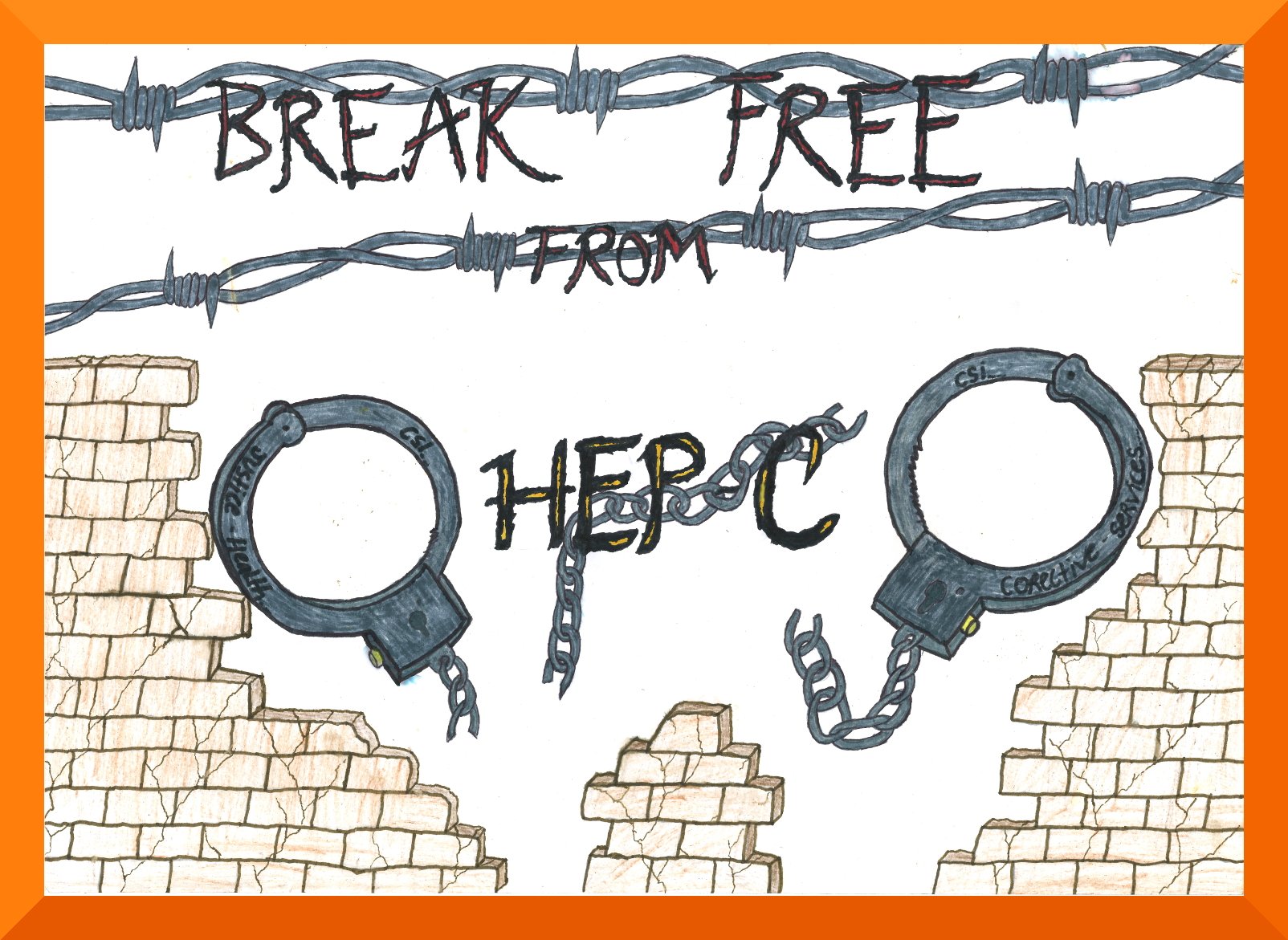
USING ART TO SPREAD THE WORD ABOUT HEP C
Here are some of the cool posters that the men and women inside have come up with!