
25 Years, 0 Deaths: Celebrating Uniting MSIC
Friday, 29 May, 2026
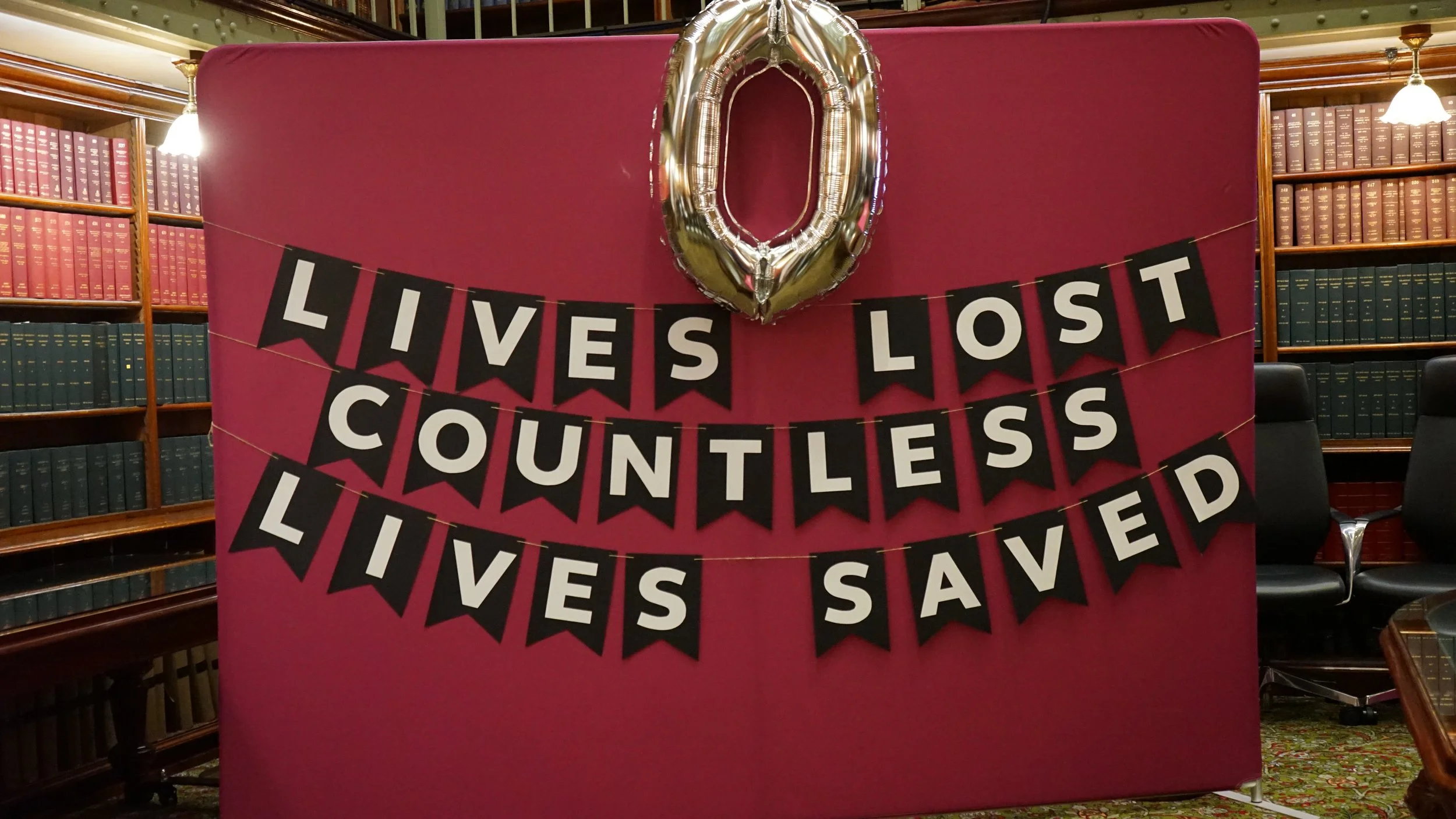
All Photos courtesy of Uniting NSW.ACT
On May 6th 2026, the Uniting Medically Supervised Injecting Centre (MSIC) turned 25 years old. To mark the occasion, a celebratory event was held at NSW Parliament House this week, with NUAA’s Chief Executive and Users News in attendance.
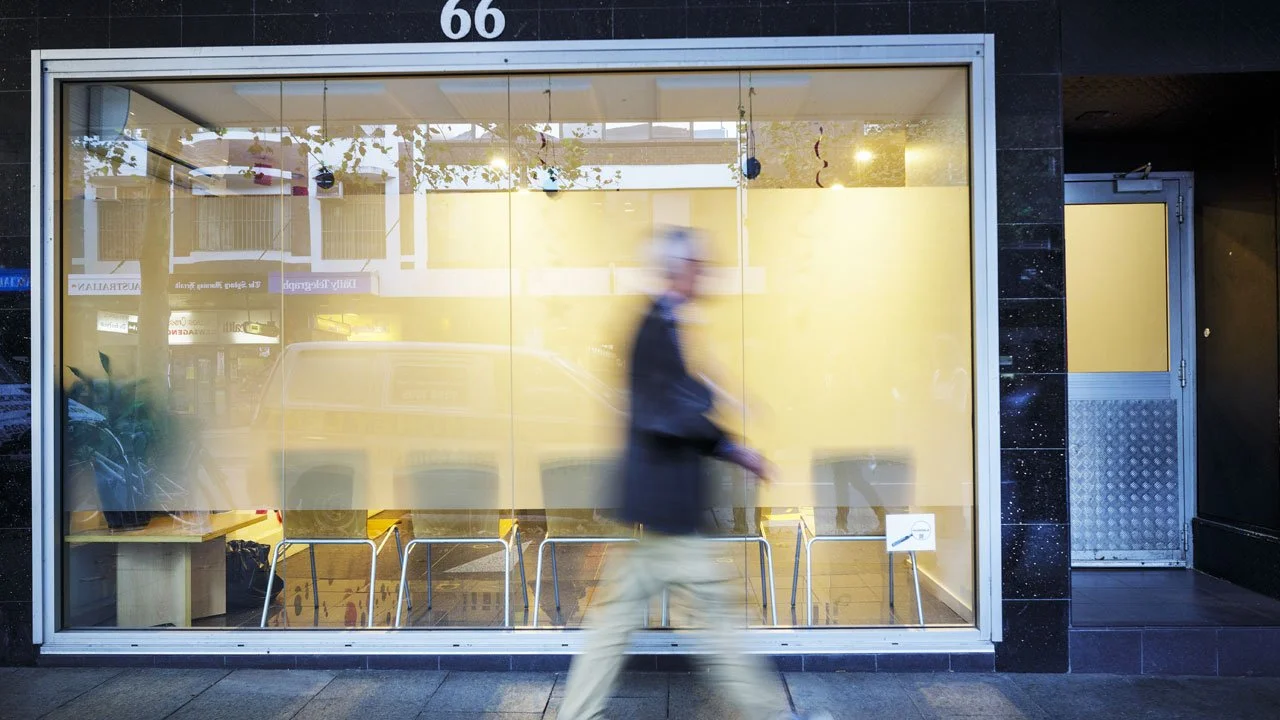
Located at 66 Darlinghurst Road in Kings Cross, MSIC is one of only two places in Australia where a person can legally inject drugs under the supervision of trained clinical staff. The other being the Melbourne Medically Supervised Injecting Room (MSIR), which opened in 2018.
In 25 years of operation, MSIC has seen over 18,000 clients walk through the door, supervised over 1.35 million injections, and managed over 12,000 overdoses. Not one person has died on its premises.
The mammoth figures and 25-year tenure are no easy feat. The story of how MSIC got here, through political battles, community resistance, tabloid fearmongering, and sheer determination, is one worth telling again, especially as we look ahead to what comes next.
Where the Story Starts
To understand why MSIC is so monumental, let’s begin before it opened, in 1990’s Kings Cross.
Accidental opioid deaths across Australia rose from 351 in 1988 to 1,116 in 1999, tripling in just over a decade. Kings Cross was at the epicentre. In 1999 an ambulance was being called to respond to a heroin overdose every 12 hours. Reverend Ray Richmond, Pastor of the Wayside Chapel from 1991 to 2004, described the scene: police and ambulances were stretched beyond limits, restaurants shut their toilets to stop people using inside, and trade across the area dropped as the suburb became too dangerous.
The crisis hit a turning point in January 1999 when the Sun Herald published a front-page photo of a teenager injecting drugs in a Redfern laneway. Within a week, then-Premier Bob Carr announced a NSW Drug Summit if Labor was re-elected. This marked a turning point.
Before the Summit got underway, Reverend Richmond made his own dramatic move. He opened an illegal supervised injecting room at the Wayside Chapel, calling it the ‘Tolerance Room’. He was subsequently arrested in a police raid. But the action worked: it put supervised injecting firmly on the Drug Summit’s agenda.
The NSW Drug Summit was held in May 1999 and produced 172 recommendations. Among the most significant was a proposal to trial a medically supervised injecting room. Independent MP Clover Moore moved the resolution, and legislation passed later that year, initially allowing an 18-month trial. The injecting room would be funded through the confiscated proceeds of crime, so it would not draw from the NSW Health budget.
Originally, Catholic health organisation Sisters of Charity, agreed to run the injecting centre. When the Vatican intervened and ordered them to withdraw, the future of the whole project suddenly looked uncertain.
Then, Uniting Church stepped in. Reverend Harry Herbert, Executive Director of UnitingCare NSW.ACT, was approached about taking on the licence.
“Most of all, I found that injecting drug users were not the demons they were portrayed, but ordinary people who for a multitude of reasons found themselves in the daily round of drug using,” Herbet later reflected.
“The main purpose of the Centre was to reduce deaths from drug overdose and as a Christian Minister I found that a very honourable purpose.”
At this week’s event, Reverend Simon Hansford addressed the crowd about why the Church is involved at all. His answer was simple and powerful: “What would we or God be doing otherwise, and where else is the gospel seen in action but in this space?”
UnitingCare lodged its application for a licence to operate MSIC at 66 Darlinghurst Road, the best of 39 sites considered. Even then, the Kings Cross Chamber of Commerce and Tourism launched a Supreme Court challenge to block it. Justice Brian Sully dismissed the challenge on April 5th 2001, and the MSIC opened its doors a month later, on Sunday May 6th, 2001.
On that first night, eight people came in. Within a month, 287 new clients had registered, and 394 supervised injections had taken place. The first client was a young labourer who had never previously accessed any drug services. By his second visit, he had agreed to enter a treatment program.
Despite clear evidence MSIC was working, it spent nearly a decade on an ever-renewing “trial” status. The 18-month trial was extended again and again, each time coinciding, not coincidentally, with a looming State Election.
As Medical Director Dr Ingrid van Beek put it when she resigned in 2008: “Despite the increasing weight of evidence that it is meeting its public health goals, the MSIC’s initial 18-month trial period has instead been extended on three subsequent occasions to become what is now a 10.5 year trial.”
Tabloid media campaigns didn’t help. One Sydney newspaper alleged that syringes found in a nearby bin had come from MSIC. It turned out they belonged to a diabetic cat. The cat’s owner and vet confirmed it, but the story was already out there.
Then came Dr Marianne Jauncey, who was a fierce advocate for the Centre’s permanent status. Backed by the Australian Medical Association, the Royal Australasian College of Physicians, and numerous other peak bodies, the case for MSIC’s permanence became undeniable.
In September 2010, then-Premier Kristina Keneally announced MSIC would be made permanent. Legislation passed both houses of Parliament on October 27th with a margin of 79 to 44.
“It has saved lives, it has reduced disease risk, it has reduced the incidence of public injecting, and quite frankly, it has brought people who live on the margins, who live on the edge, into contact with health services and drug treatment services,” Keneally said.
Celebrating 25 Years
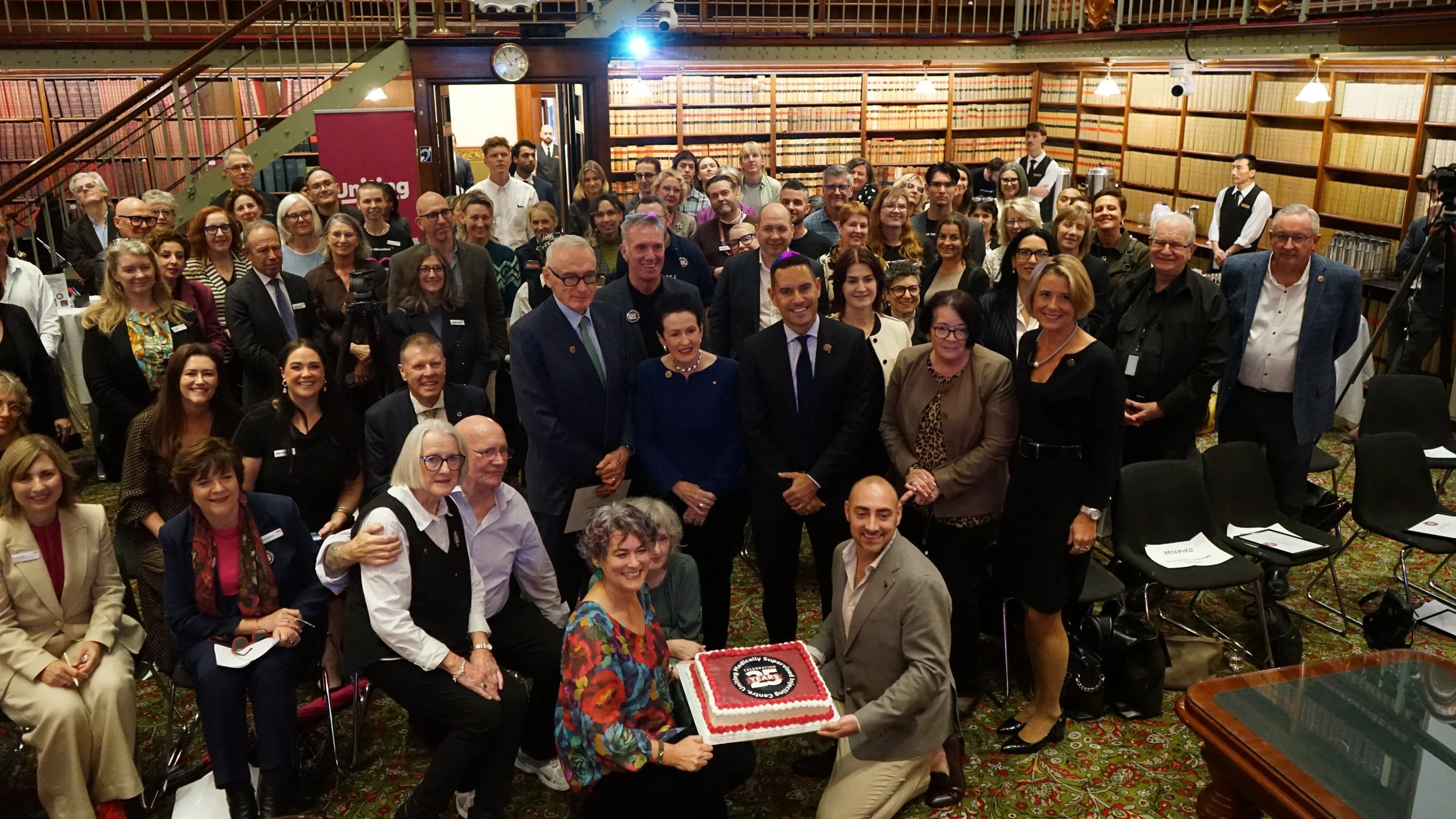
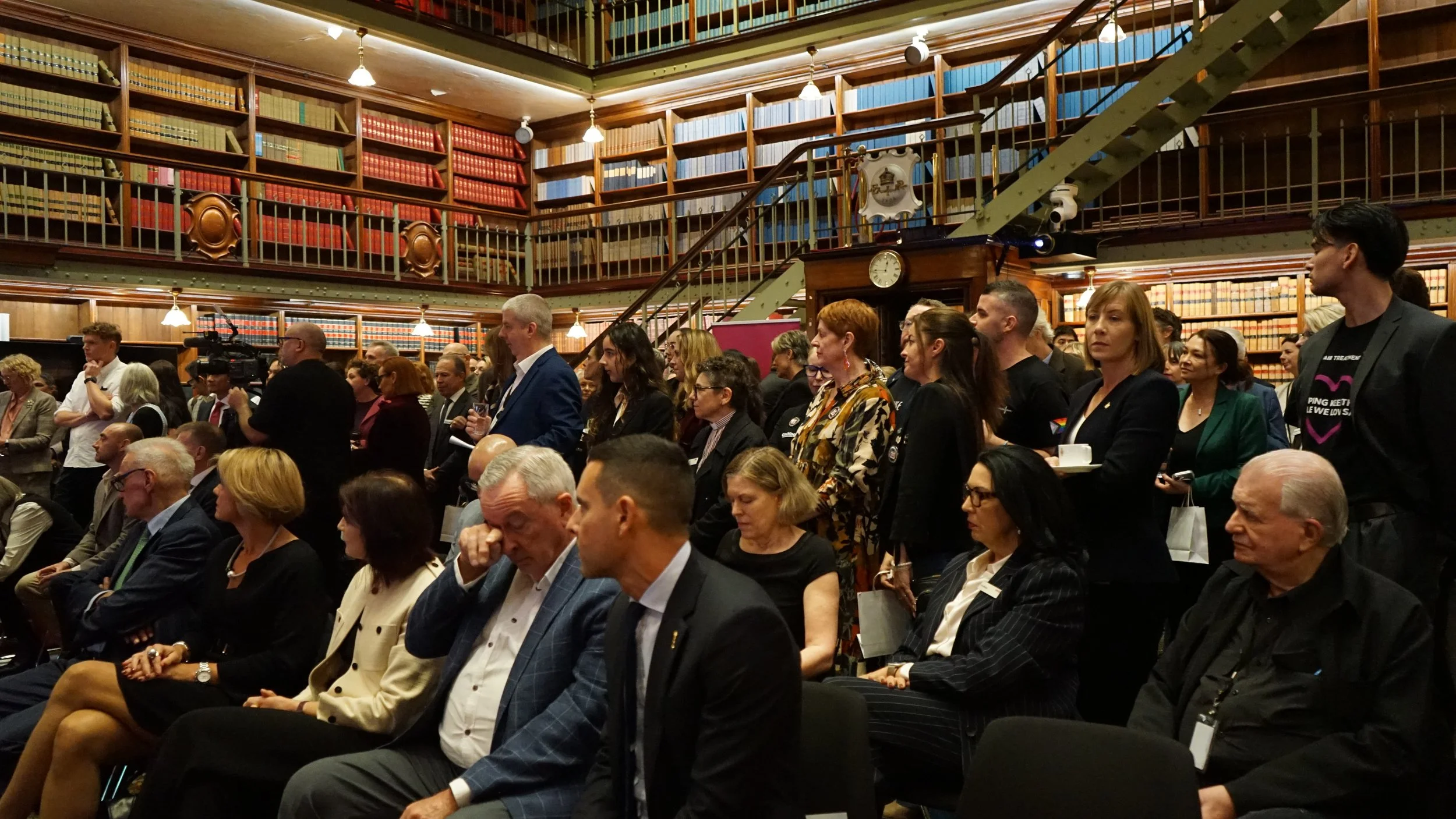
This week’s event at NSW Parliament brought together politicians, health professionals, community members, and peers to mark 25 years of MSIC. NUAA staff were proud to be in the room.
“This event was more than just a birthday party. It was a moment to call out the disconnect between our countless successes at MSIC, and the restrictions towards allowing new services to be established” said Mikayla Prout, Social Justice Advocate at Uniting.
NSW Premier Chris Minns called MSIC “an unmitigated success,” noting that within two years of its opening, reported crime in Kings Cross had dropped by 50% and public support had grown significantly.
He acknowledged a hard truth “agreeing there was a crisis was easy, agreeing on a solution was the hard part.”
One of the most striking moments of the event happened quietly. Premier Minns approached one of the lived experience speakers, handed her his card, and asked to meet with her to hear more of her story. It was a small gesture, but in a room full of advocates who know how rarely politicians truly listen, it was meaningful.
Former Premier Bob Carr, who called the original Drug Summit in 1999, was also present. His advice for those pushing for additional injecting centres was pragmatic: pitch it in practical terms.
“This is the least bad of any alternative,” he said, suggesting framing it as “Occupational Health & Safety for paramedics” as one way to build support in resistant communities.
Former Premier Kristina Keneally, who made MSIC permanent, referenced the KPMG evaluation of the service, noting: “Good is being done here and should continue to be done.”
She also highlighted a significant legal barrier still in place. Section 36A of the legislation limits NSW to just one safe injecting centre, and any future centre would require community consultation and local government support.
Independent MP Alex Greenwich delivered perhaps the most memorable line of the night. Of all Sydney’s famous landmarks, the Harbour Bridge and the Opera House, he said he is most proud of MSIC.
“MSIC is 25. It’s time for MSIC to have some kids,” he said.
Uniting CEO Tracey Burton reflected on the dedication of the MSIC team.
“I think any opportunity to stop and pause and give thanks and recognise the incredible generosity and talent and commitment of our MSIC team is time well spent,” she said.
Dr Marianne Jauncey, who has led the MSIC as Medical Director since 2008, gave a speech that stopped the room.
“For 25 years MSIC has stood like a beacon, sending a proud and clear message to people who use drugs: You are welcome here. You will be safe here. Your life matters… YOU matter. And you are deserving of love and respect. I could not be prouder to have been part of an organisation that unapologetically operates under these values.”
She spoke directly to everyone in the room who has faced pushback for doing this work:
“Nothing big, worthwhile and important comes easily. Every major step forward our community has achieved was once called impossible. And every act of courage began with people willing to stand together and say: we can do better than this, we can be better than this.”
And she closed with a call to collective action that felt like both a celebration and a challenge.
“The people we serve, the people we proudly stand beside — our family, our friends, our confidants, mentors, teachers — we are all whole and complete human beings, deserving of respectful healthcare if and when we need it. This is a basic human right, and we need to all come together to create a system without stigma that is ready to welcome us all, exactly as we are. It is not lost on us who is in the room, who continues to show up. What binds us together is strong, and it is enduring. Our shared values and connection make us powerful. And going forward, I can’t think of a better bunch of people to face our future with.”
“Stories Are the Shortest Distance Between Two People”
The most powerful moments of the event came from the people who have lived it. As Dr Jauncey reminded the room, “stories are the shortest distance between two people.”
Kevin Street first visited MSIC at 2:35pm on March 5th 2005. He has visited over 2,000 times since. He spoke about how simple things, like staff knowing his name and treating him with respect, helped him overcome the self-stigmatisation that kept him from seeking help.
Megan Moses shared that she was originally drawn to the MSIC out of curiosity, but what kept her coming back was something she had never experienced before: freedom from shame.
“The most corrosive shame comes from yourself,” she said.
“Shame doesn’t motivate people to change. It’s a lonely way to live. But shame stops when you walk through those doors.”
At MSIC, she was simply a person who had value, agency, and was multifaceted.
Judy Smith spoke about her son Daniel, who died from an accidental heroin overdose in 2012. He had visited MSIC when he was in Sydney and valued it as a place without judgement. When the family moved to Katoomba, there was nothing similar nearby.
On the morning he died, he used alone.
“If he had had somewhere to go, like a safe room in a hospital or an injecting centre, there would have been help for him,” Judy said.
She told the audience she can’t believe Australia still only has two supervised injecting facilities, and that if there had been more access, her son might still be alive.
Drugs are everywhere, she noted, and they’re not going away.
Josh, a member of the MSIC’s consumer action group, spoke about growing up in a small town where fear of being seen at needle exchange services meant reusing equipment. MSIC, he said, “make me feel like a person with a future.”
He offered perhaps the most direct analogy for the injustice of restricting the service to one site:
“The legislation is like saying we can only have lifeguards patrol one beach in the entirety of New South Wales.”
The Day to Day
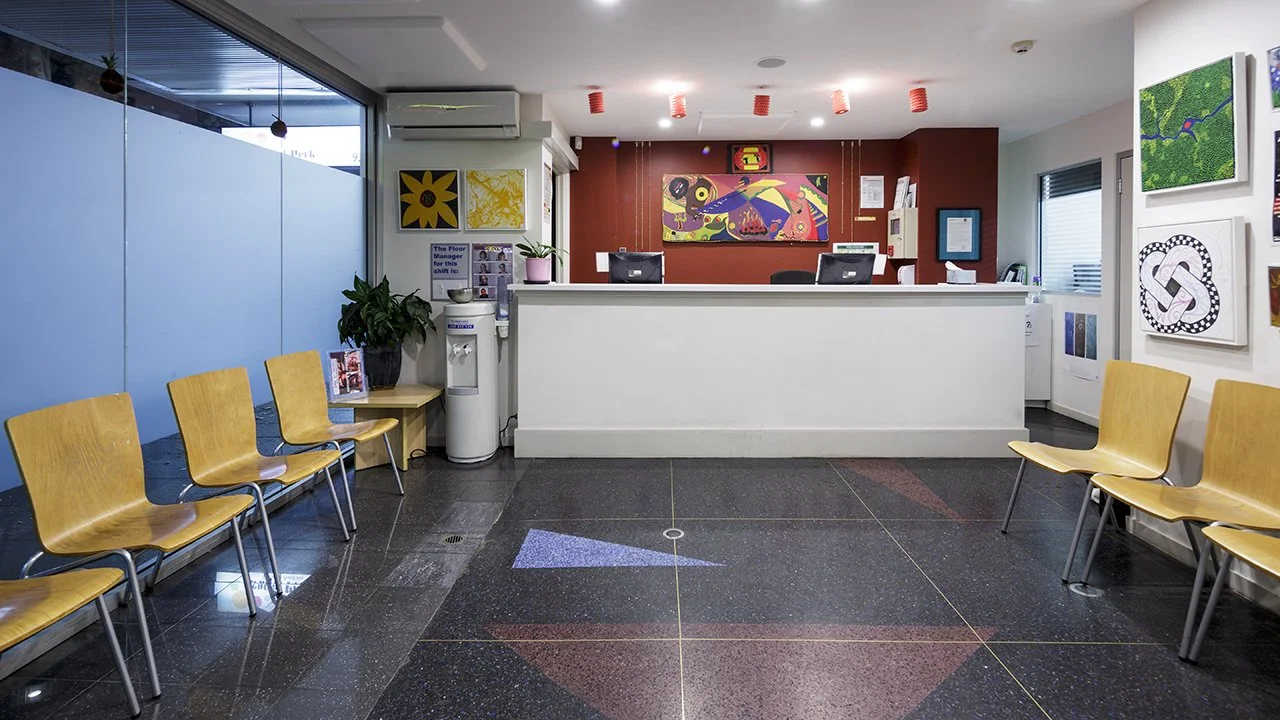
For those who haven’t visited the centre, MSIC operates in three stages. In stage one, new clients go through a 10–20 minute registration process with a nurse or counsellor. People under 18, pregnant women, and first-time injecting drug users are not eligible.
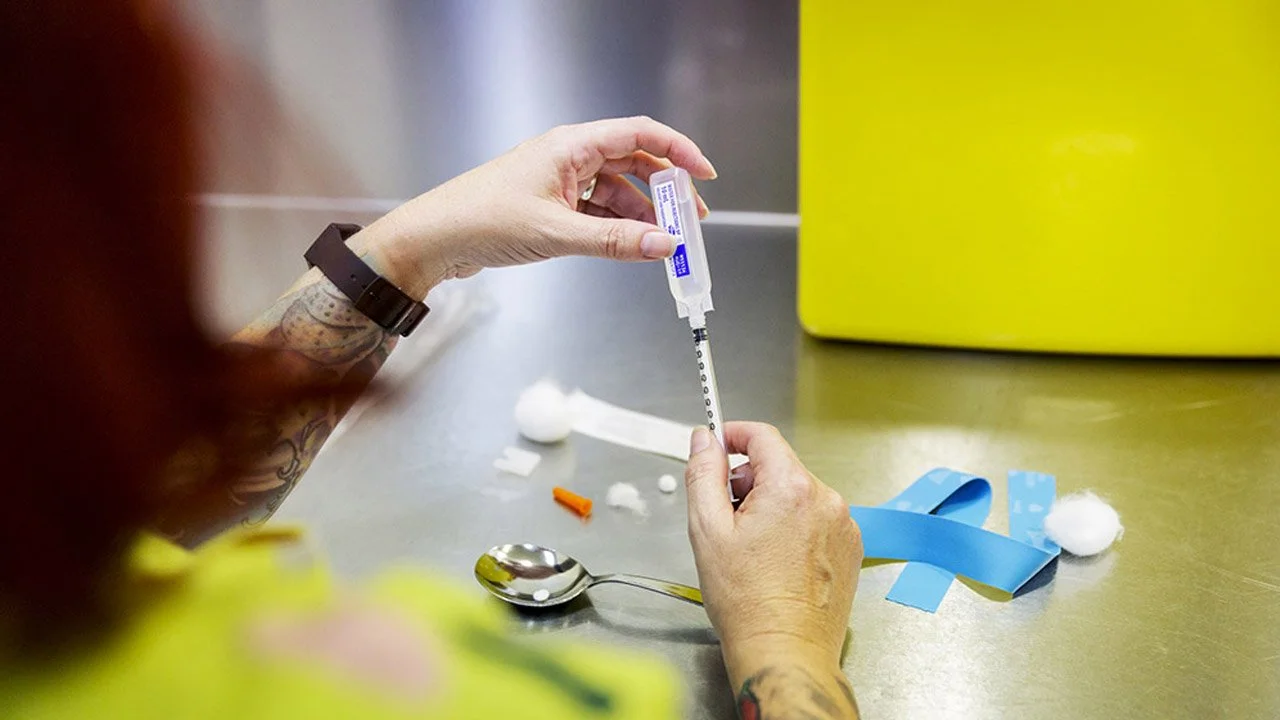
Stage two is the injecting room itself. Consumers bring their own drugs, MSIC doesn’t supply substances. Staff provide sterile injecting equipment, monitor for overdose, and respond immediately if something goes wrong. When a consumer shows signs of an overdose, staff assess them immediately and, in serious cases, administer Naloxone to reverse the overdose. Because oxygen treatment starts instantly, not only have there been zero deaths at MSIC, many brain injuries have also been prevented.
Stage three is the aftercare area. It’s a more relaxed space where clients can talk with staff, access counselling, and get referrals to other services including drug treatment, mental health support, housing, and legal advice. Staff at MSIC do their best to reduce barriers to wraparound care.
As Users News heard during our visit to the centre:
“Why do we give clean needles and pretend our job is done? If we are providing clean injecting equipment, how dare we ask them to go away to use it. That is ethically abhorrent.”
MSIC is what happens when the logic of harm reduction is followed to its conclusion, and obligation goes further than simply providing clean equipment with no place or legal protection to use it.
What’s Next?
Australia currently has two supervised injecting facilities: Sydney’s Uniting MSIC, and the Melbourne facility that opened in 2018 as a two-year trial which was later made permanent. For a country of our size, and with overdose deaths continuing to climb, that is not enough.
In NSW, current legislation means that only one supervised injecting centre is permitted to operate. Any new service would require law reform, community consultation, and local government support. These are real barriers, but they’re not insurmountable.
Uniting is already looking ahead. Current priorities include ongoing research into prescription opioid injecting harms, a world-first clinical trial comparing methods of administering naloxone (including a nasal spray that could be made available to the wider community), expanded mental health support, and increased public education and training.
One of the most important takeaways from the event, and from the MSIC’s 25-year history, is about where change actually comes from.
Politicians are wary of supporting or advocating for more supervised injecting centres because they’re afraid of losing votes. Murdoch press campaigns and media fearmongering which falsely link injecting centres to crime, disease, and danger, create an environment where political bravery is rare.
The lesson of MSIC’s history is that political action follows community pressure, not the other way around. Reverend Richmond didn’t wait for politicians to act, he opened an illegal room and got arrested. The families, peers, and health workers who testified at the 1999 Drug Summit changed minds not through policy papers, but through personal stories.
As we heard at this week’s celebratory event, the key to expanding supervised injecting in NSW is community advocacy.
When communities in areas affected by drug-related harm start calling for services, when local health workers and families speak up, when the stories of people like Kevin, Megan, Judy, and Josh are heard in local council chambers and at local MP offices, that is when politicians will listen.
Alex Greenwich was right. It’s time for the MSIC to have some kids. But those new services won’t come from waiting on political courage alone. They’ll come from communities demanding to be kept safe and advocating for action.
NUAA will keep advocating alongside people who use drugs, not just for what already exists, but for what we know should.
As Kevin Street summed up perfectly: “This is not controversial. This works.”