
Friday, 7 August, 2026
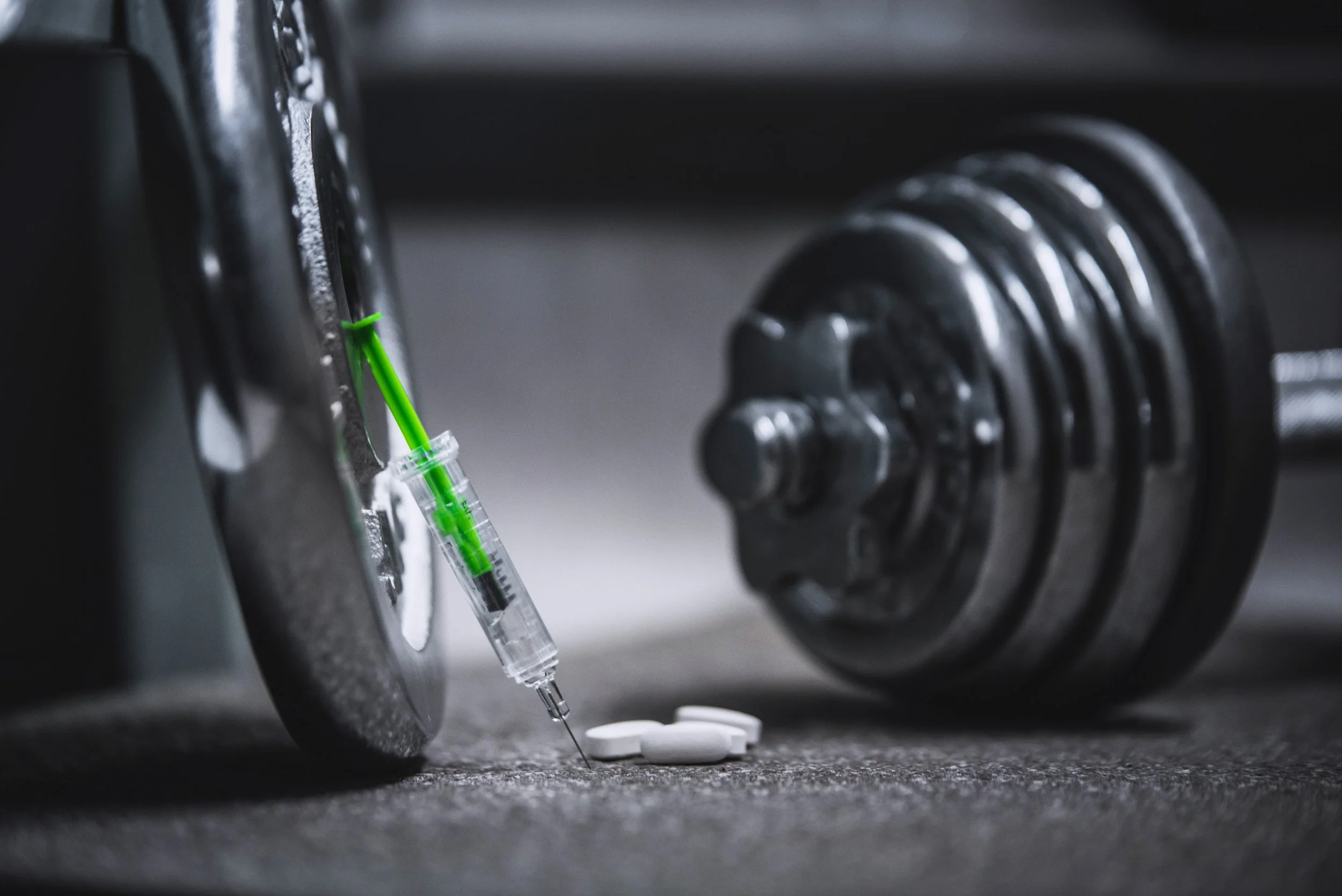
People have chased strength, speed, and certain looks for close to three thousand years. Long before steroids, Selective Androgen Receptor Modulators (SARMs), or peptides existed, athletes were eating animal organs, drinking mystery potions, and even consuming poison in the name of performance. This edition of Users News outlines the long and sometimes bizarre history of Performance and Image Enhancing Drugs (PIEDs), and how that's influenced the landscape today.
Ancient Beginnings
The drive to get an edge goes back at least 2,800 years.
Since the inception of the Olympic Games, Greek Olympic athletes were already looking for a boost. They ate mushrooms, plants, and herbs hoping it would elevate their performance and dull pain.
Throughout history, athletes often maintained unusual diets. Take Charmis, the Spartan winner of the Olympic short sprint in 668BC, who is reported to have eaten a special diet of dried figs throughout the games. Others drank herbal "magic" potions, or ate foreign meats before events.
Early evidence shows that people understood the link between hormones and strength, long before humans really knew what hormones were. With no injectable hormones available, athletes consumed raw animal hearts and testicles, hoping the organs would pass on their power.
The quest for heightened performance and power didn't stop at raw organs. Athletes would also gorge themselves on meat for days on end before a competition. This was in stark contrast to the normal dietary habits of the Greek populace who were generally quite conservative in their meat consumption.
Roman gladiators had even higher stakes than the Olympic athletes. Rather than chasing glory, they were fighting for their lives. Many used stimulants like strychnine, a compound now infamous as rat poison, to push through fatigue and injury. Those who needed some extra assistance in the psychological department took hallucinogens to cope with the trauma of the arena.
Gladiators weren't only ingesting performance enhancing substances just before a fight. Modern bone analysis from a 2,000-year-old gladiator graveyard in Ephesus found unusually high calcium levels, most likely from a chalky tonic of ash and charred bone, that gladiators reportedly drank to protect against fractures.
Cheating did have consequences at the ancient Olympics. Athletes caught bribing opponents or breaking the rules of competition were publicly shamed, banned, and had their names carved into stone tablets lining the walkway to the stadium.
But taking substances to enhance your own body wasn’t seen as cheating. It was normal. There's no evidence to suggest that any culture in early history made any effort to discourage the use of these substances. The people who supplied these substances were treated similarly to today’s sports doctors, specialists doing a legitimate job.
The Age of Arsenic
Fast forward to the 1800s, and endurance sport was booming. Six-day cycling races began in 1879. Marathon running and long-distance walking events drew huge crowds.
Athletes in these events used a genuinely alarming mix of substances: strychnine (modern day rat poison), caffeine, cocaine, alcohol and nitroglycerine.
It wasn’t just under the table mixtures either, 'respectable' tonics could be just as extreme. From the 1860s, a Bordeaux wine infused with coca leaf (leaves containing cocaine, which act as a mild stimulant when chewed or consumed as tea), called Vin Mariani, was marketed as a stamina booster and endorsed by the French cycling team as their official “wine for athletes”. Pope Leo XIII and inventor Thomas Edison were fans too. Cocaine was legal, cheap, and for a while, a traditional ingredient in a performance tonic.
One of the earliest doping legends comes from cycling. Welsh rider Arthur Linton won the gruelling 560km Bordeaux to Paris race in 1896, then died two months later. His official cause of death was typhoid fever. But rumours have followed him ever since, pointing to a mystery substance from his trainer’s little black bottle, nicknamed 'trimethyl' at the time. No one ever confirmed what was in it, or whether it played any part in his death, but the belief that something in a bottle could transform performance was very real.
The most famous, and best documented, case is Thomas Hicks, who won the marathon at the 1904 St Louis Olympics. During the race, his support crew fed him raw egg whites, brandy, and repeated doses of strychnine. He crossed the line barely conscious and nearly died. None of this broke any rules at the time, athletes were allowed to ingest substances mid-race.
The use of these substances wasn't confined to elite sports either. Strychnine, arsenic and cocaine tonics were sold openly over pharmacy counters throughout the Victorian era, marketed to the general public for 'nerve strength' and general vigour. Athletes weren’t taking anything unusual for their time, just ordinary Victorian medicine, in more extreme doses.
A strange addition to the lineup of substances was arsenic, a notoriously toxic element. Although it's an organic component of the earth’s crust and found in the environment, it is highly toxic in its inorganic form.
From at least the 1400s to the late 1800s, peasants in Styria, a region of Austria, regularly ate arsenic. This regular consumption was not in tiny amounts either. Some accounts describe people consuming doses that would be lethal for most people on a regular basis. They believed it built muscle, boosted stamina, and made them more attractive.
Physicians of the era were fascinated and horrified in equal measure. A few of them documented cases of people apparently building tolerance to arsenic over years. Whether that tolerance was real, or the stories were exaggerated, is still debated by historians today.
Humans weren’t the only “arsenic eaters” in the region. Horses were dosed with arsenic too, to increase their weight, and make them bolder and more energetic. Many reportedly died once the dosing stopped.
It’s an extreme example, but the pattern is familiar. People take real risks with their health, chasing a result, based on myths rather than solid evidence.
Heading into the 1930s, the strange enhancement fad continued. Players at English football club Wolverhampton Wanderers were injected with monkey gland extract, a treatment believed at the time to restore youth and vitality. It didn’t work the way anyone hoped. But it captures the same energy: try anything, tolerate real risk, chase a result.
Testosterone and the Steroid Era
Well-founded hormone science started catching up to folklore in the 1930s, when scientists first isolated and synthesised testosterone.
The moment usually credited as the start of the modern steroid era happened at the 1954 World Weightlifting Championships in Vienna. American physician Dr John Ziegler, there with the US team, was stunned by the size and strength of the Soviet lifters. As the story goes, he got the Soviet team doctor talking over drinks one night, and was told the Soviet athletes were being injected with testosterone.
Ziegler brought the idea home and began experimenting with testosterone on American weightlifters. The strength gains were real, but so were the side effects, and lifters complained of feeling unwell with fatigue, mood swings, and nausea.
Ziegler kept working, this time with pharmaceutical company Ciba, to build something with fewer of testosterone’s harsher effects. In 1958, Ciba released its creation methandrostenolone, sold as Dianabol.
Dianabol spread quickly through weightlifting and bodybuilding. But the side effects Ziegler had hoped to avoid showed up anyway, including the prostate and testicular problems that led Ziegler to publicly regret his own invention before he died in 1983.
Decades later, bodybuilding icon Arnold Schwarzenegger openly admitted to using steroids during his run as Mr. Olympia in the 1970s. At this point, steroid use had spread well beyond competitive weightlifting into gyms and bodybuilding culture more broadly.
None of this happened in isolation. Cold War rivalry had already turned Olympic sport into a stage for national prestige, and steroid use spread quickly through Western strength sports.
The most well-known, and perhaps most disturbing instance happened in East Germany.
From 1974, the East German government ran a secret, state-controlled doping program known as State Plan 14.25. Thousands of athletes, some still children, were given anabolic steroids like turinabol, often without their knowledge or consent. Coaches handed the pills out disguised as vitamins.
Ines Geipel, a former East German athlete detailed her experience.
"As young people, sport was the only way for us to see the world - to get out.
"We were given various tablets in silver foil, but there was no information about them, just that they were good to take because we sweated so much while competing."
Refusals or questioning led to the withdrawal of athletic sponsorship and a black mark against your name in Stasi (the East German secret police) files. That, in turn, could affect your chances of gaining employment, housing or benefits.
The human cost was enormous. Athletes suffered virilisation (biological development of adult male characteristics in young males or females), organ damage, infertility, and lasting psychological harm.
Shot putter Andreas Krieger spoke publicly about the toll it took, reflecting that it was the athletes who ended up paying the price, while the people who made the decisions faced none of the consequences.
Blood, Oxygen, and the Festina Affair
Not every performance boost came in pill form. Endurance athletes found another trick: manipulating their own blood.
It’s a good reminder that PIEDs history isn’t just about pills and injections. Sometimes the method itself becomes the thing worth banning.
The idea began with simple biology. More red blood cells carry more oxygen to working muscles. In the early 1970s, the media coined the term “blood doping” after an endurance runner used blood transfusions to help win two gold medals at the 1972 Munich Olympics. Distance running and cycling were the biggest adopters of this practice.
The International Olympic Committee (IOC) didn’t ban the practice until 1985, and even then, there was no reliable test to catch it. Blood doping quietly continued through the cycling world, including reports of use around the 1984 Los Angeles Olympics.
Then came erythropoietin, or EPO, a hormone that tells the body to make more red blood cells. First available as a synthetic drug in the late 1980s, EPO offered the same benefit as a blood transfusion, in an easy injection. It quickly became popular in endurance sports, and just as quickly became dangerous. A string of unexplained deaths among European cyclists in the late 1980s was linked by some researchers to unsafe EPO use.
The turning point came in 1998. A Festina team support car was stopped at the border of France and Belgium, stuffed with EPO, growth hormone, testosterone and amphetamines. The scandal, known as the Festina affair, exposed just how organised and routine the practice had become in professional cycling, and helped push sport towards a coordinated global response.
Because EPO boosts the body’s own red blood cell production rather than introducing something foreign, it took years to build a reliable test for it. Anti-doping authorities eventually shifted strategy, introducing the Athlete Biological Passport in 2009 to track each athlete’s blood values over time and flag suspicious changes, rather than hunting for the drug itself.
Testing & Designer Drugs
As steroid use in elite sport became public knowledge, testing methods developed to try to catch it.
The IOC introduced a drug testing program in 1972, and a specific test to detect abnormal testosterone levels a decade later, in 1982. The World Anti-Doping Agency was established in 1999, in the wake of the Festina affair, to coordinate anti-doping efforts globally.
Testing didn’t stop use. It just changed the game. In the early 2000s, the BALCO scandal in the US exposed a whole underground industry built around staying ahead of the testers. Chemists had created 'designer steroids' like THG (tetrahydrogestrinone), deliberately engineered to slip past the drug tests of the time.
The pattern repeats. New test, new substance built to beat it. It’s still happening today, in elite sport and well beyond it. The same pattern plays out within the illicit drug trade in a whack-a-mole style game of synthetic substances vs. regulation.
Today's Landscape
There's been quite a shift in PIEDs use since its inception, most people using these substances today aren’t elite athletes at all.
The vast majority are everyday people. Some want a certain look. Some work physically demanding jobs. Some are chasing confidence, or trying to keep up in a gym and diet culture that rewards a certain body type.
Social media adds fuel to this. Fitness influencers and before-and-after transformation posts create pressure to get visible results fast, often without ever mentioning PIEDs use. For a lot of people, especially younger gym-goers, the line between "natural” training content and PIEDs assisted results online isn’t always obvious.
The substances have changed too. Today’s PIEDs landscape includes SARMs (Selective Androgen Receptor Modulators), peptides, human growth hormone, and various fat-loss injectables. Many are marketed as 'safer' or 'milder' alternatives to traditional steroids. The evidence behind a lot of these claims is thin.
What hasn’t changed is the DIY, experimental nature of it all.
Most PIEDs used in Australia today aren’t prescribed by a doctor. They’re sourced through illicit and unreliable networks, often overseas, with little to no quality control along the way.
Recent Australian research backs this up. A steroid checking project run between 2024 to 2025 found widespread contamination and substandard products circulating in the steroid supply. Separately, Australia’s medicines regulator, the TGA, has flagged that many imported peptides don’t contain what they claim to. Some products marketed as containing GLP-1, a weight-loss peptide, turned out to have none in them at all.
With mainstream medical support often thin on the ground, many people turn to online forums and peer networks to plan cycles, doses and combinations. It’s an experimental, trial-and-error culture, built out of necessity rather than choice. In some ways, it’s not so different from the folk science of the arsenic eaters. People making health decisions with the best information available to them, in the absence of anything better.
There are legal risks too. SARMs are illegal to import or possess in Australia without a prescription, and non-approved substances have no established safety profile for human use at all.
NSW’s needle and syringe programs, including NUAA’s, have felt this shift firsthand. Throughout Australia, the share of NSP clients reporting steroids as the last drug they injected rose from around 1 to 2% through the 1990s and 2000s to 7% by 2012, and PIEDs have kept growing as a reason people walk through the door since.
Border data tells a similar story. Australian Customs recorded a 106% increase in PIED detections between 2009 and 2011, followed by a further 57% increase the year after, a sign of just how much of this supply is moving through informal, unregulated channels.
Why History Matters
People have been chasing strength, size and image for close to three thousand years. Through figs, poisons, hormones, and now peptides and SARMs, the drive itself hasn’t changed much.
What has changed is the support available. Unlike the arsenic eaters of Styria, or the East German athletes handed pills labelled as vitamins, people today can access information, sterile injecting equipment, and someone to talk to who won’t judge them for their choices.
That’s the harm reduction approach. Not telling people to stop, but helping people make more informed, safer decisions than the people through history had the chance to.
Every era in history believed its own methods were reasonable at the time. The arsenic, the strychnine cocktails, the pills labelled as vitamins. It’s worth remembering this the next time a new product gets marketed as the safe, modern alternative. Accessible information, tested gear and someone to talk to are still the best protection anyone has.