More Than a Statistic: International Drug Users Remembrance Day 2026
Friday, 24 July, 2026
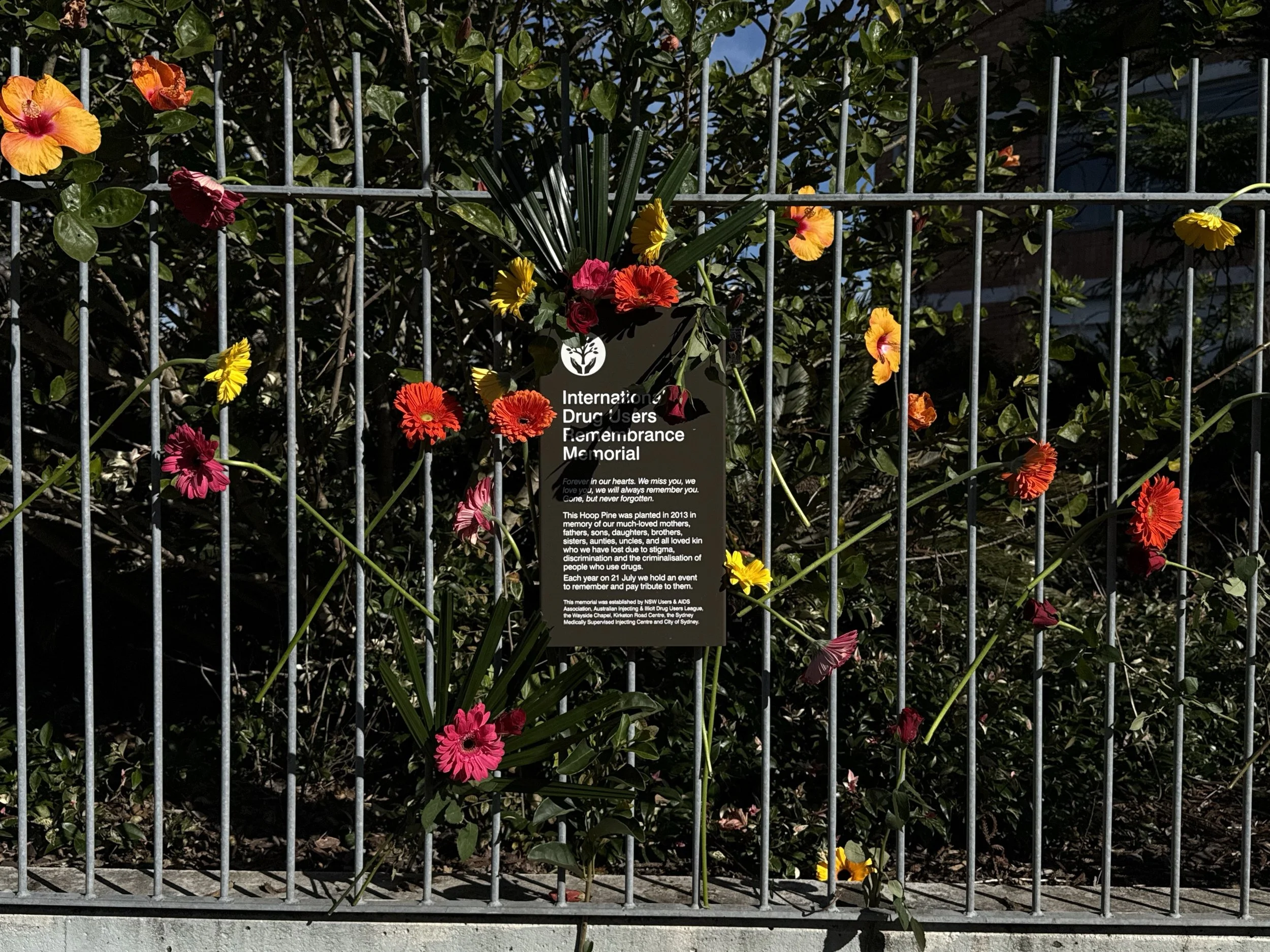
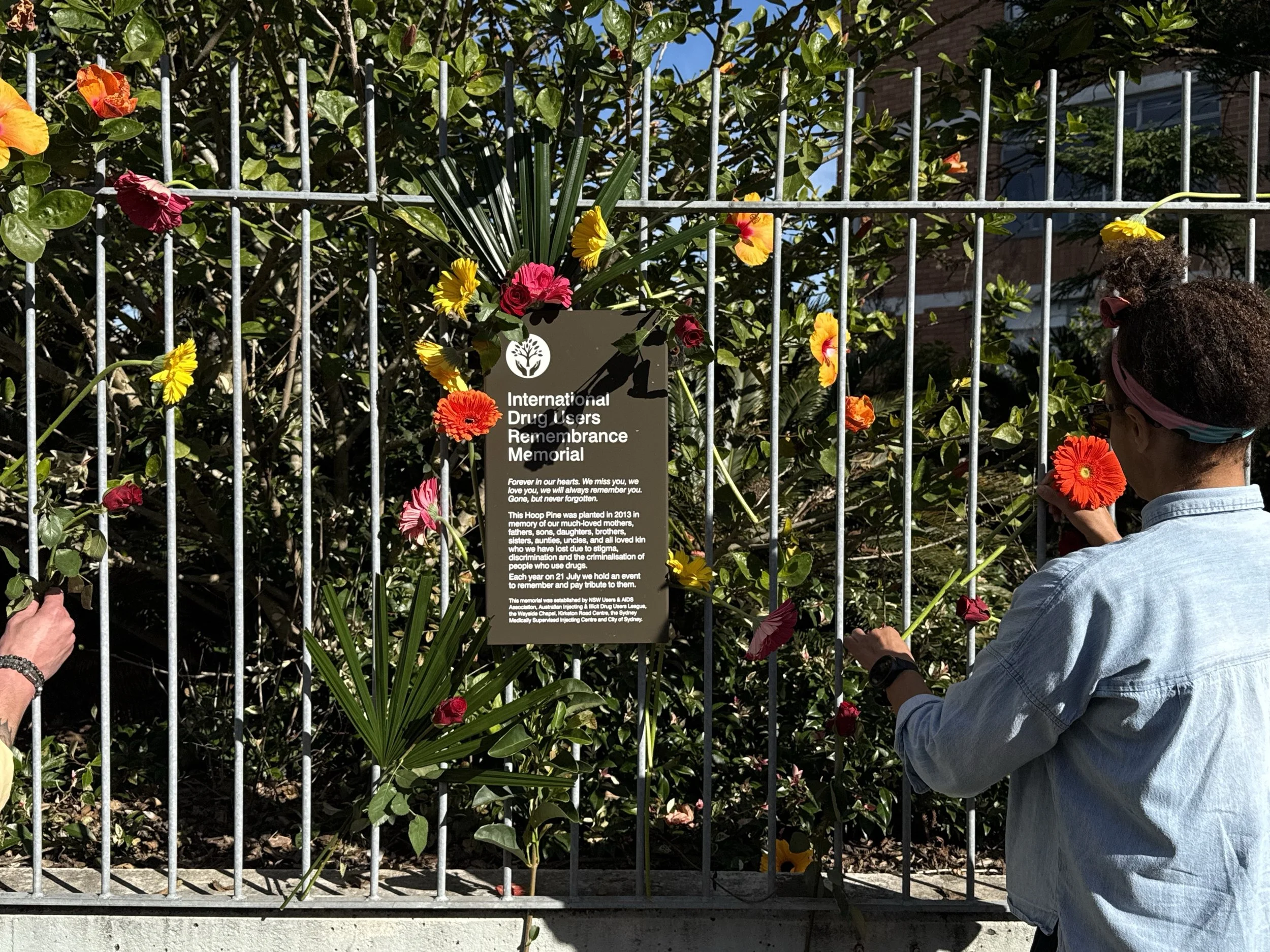
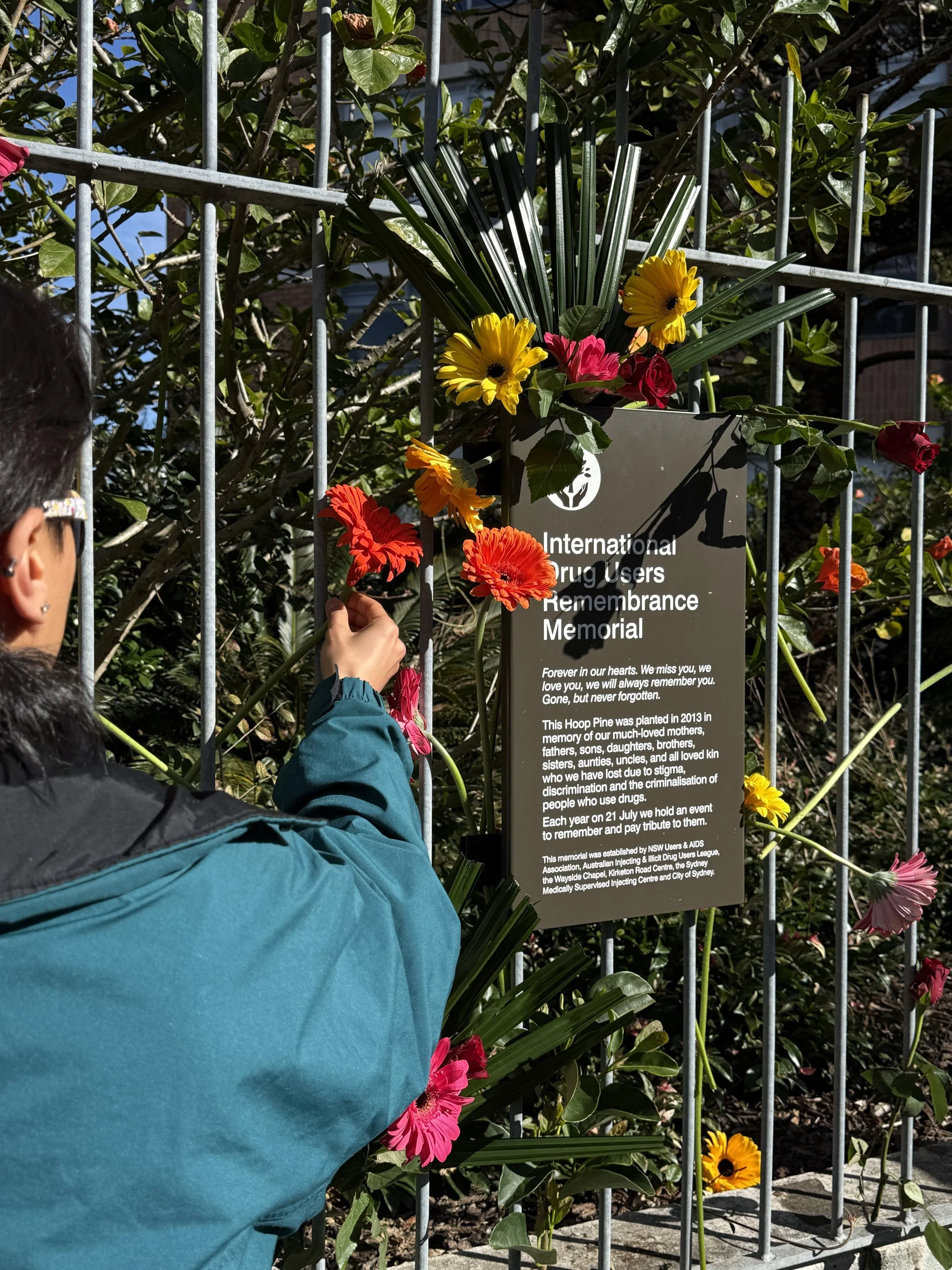
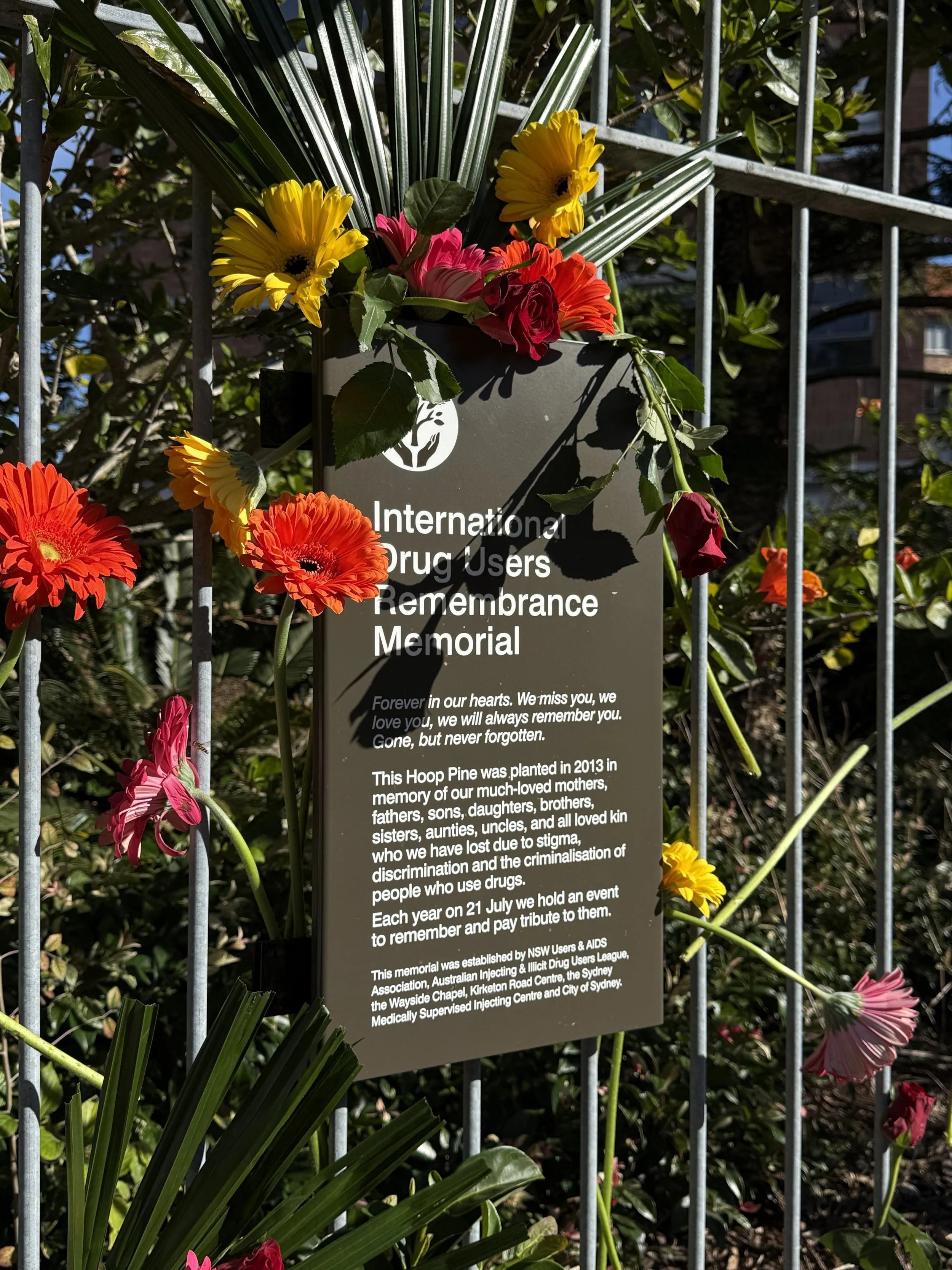
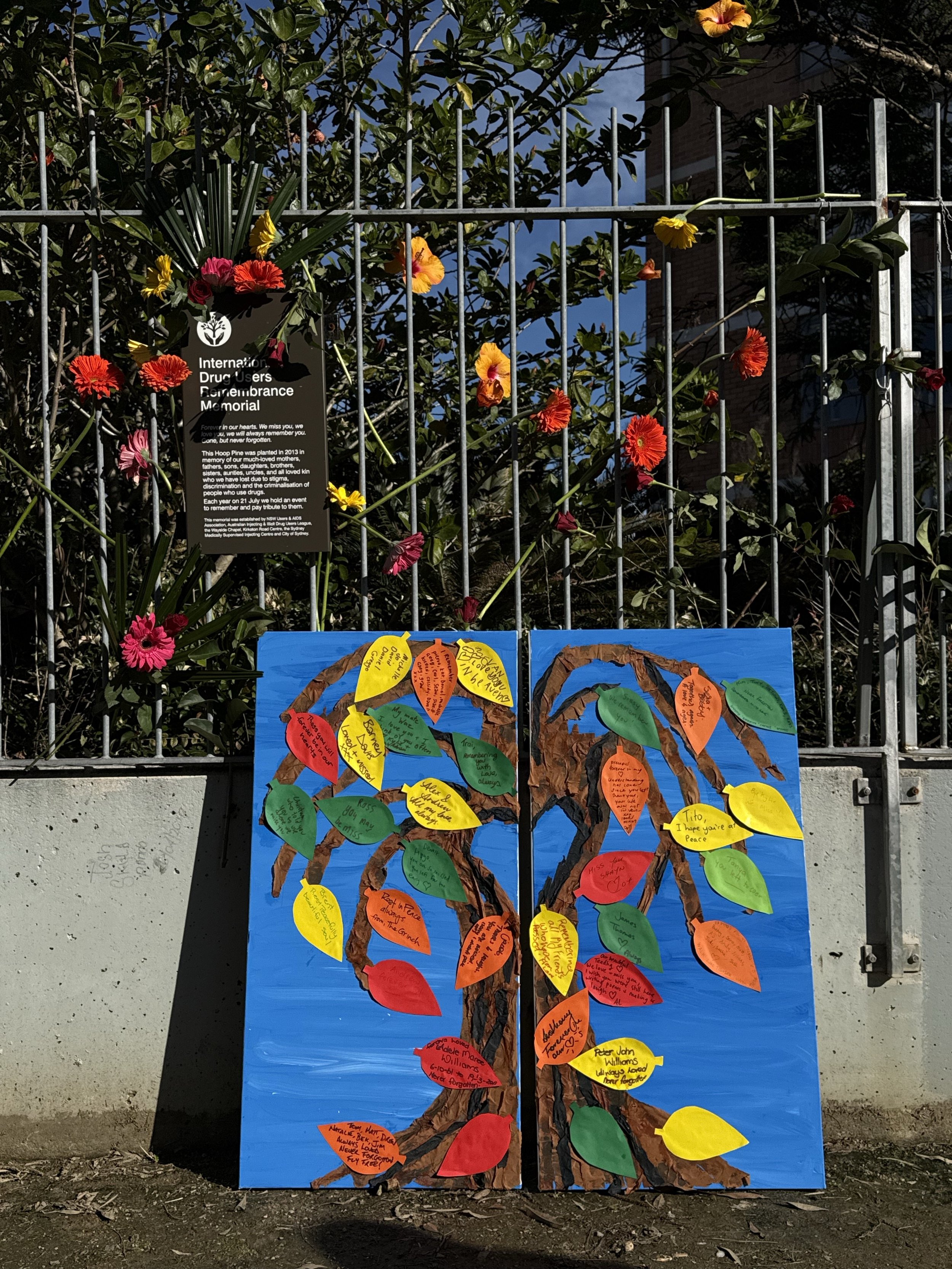
On a sunny Tuesday afternoon, community members, peer workers, health professionals, and NUAA staff visited Lawrence Hargave Reserve in Sydney, to mark this year's International Drug Users Day of Remembrance (IDURD).
Some came to grieve. Some came to be reminded they weren't alone in their grief. Most came for both.
IDURD falls on the 21st of July each year. It began within the international drug user movement itself, led by groups like the International Network of People who Use Drugs (INPUD) and similar peer unions, going back to the mid-2000s.
The idea behind it has never really changed. People who use drugs are dying, and it's rarely the drug alone that kills them. It's the policy that criminalises them. The hospital that turns them away. The silence that follows every death, because talking about it feels too risky, too shameful, too much.
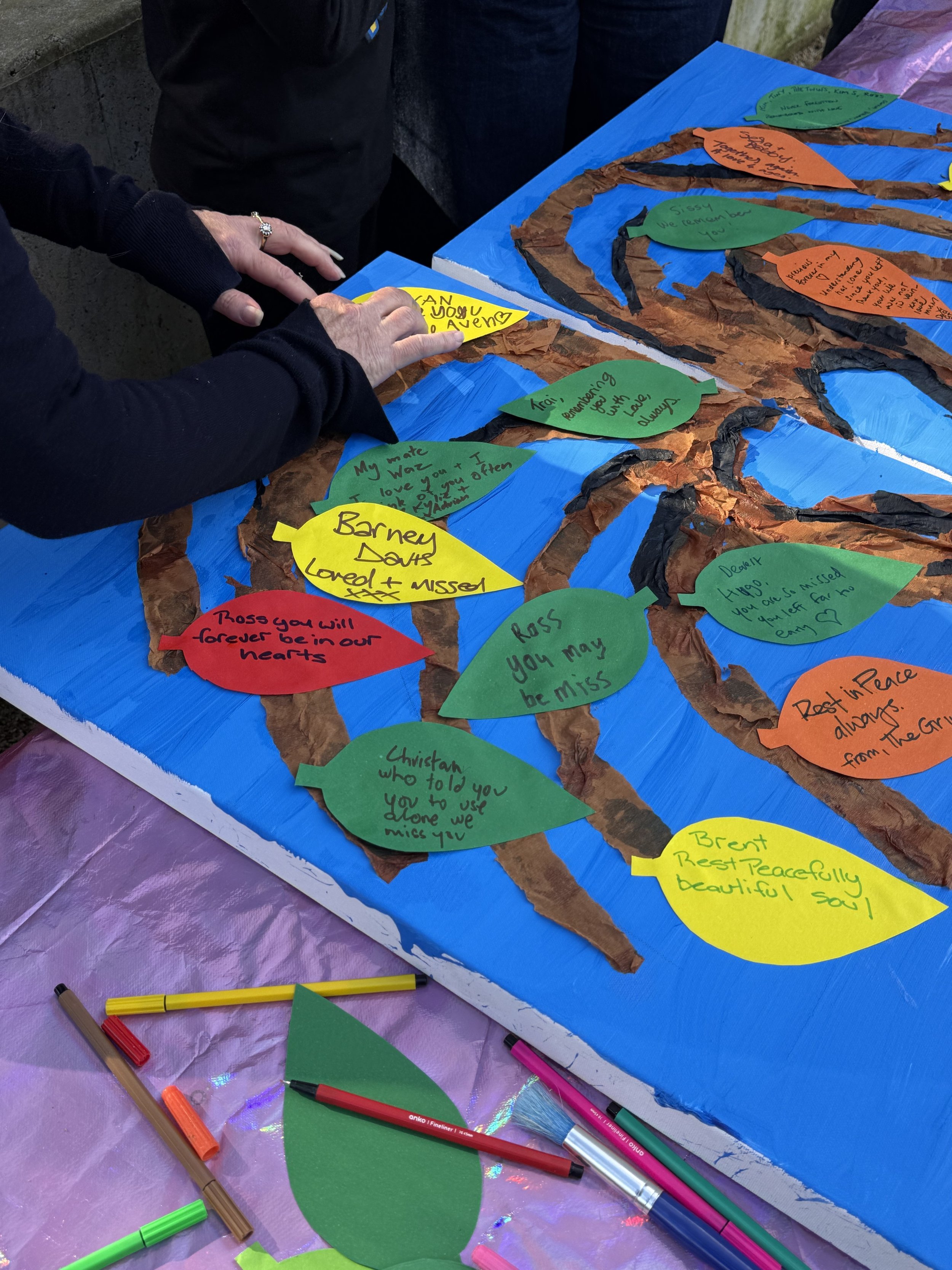
IDURD asks us to break that silence. To say people's names. To remember them as someone's friend, someone's child, someone's partner, not just a statistic. It sits alongside other dates on the harm reduction calendar, like International Overdose Awareness Day in August, and it's marked here in Australia every year by NUAA, AIVL, and drug user organisations in every state.
This year, speakers in Sydney kept coming back to a common theme. Stigma doesn't just make life harder for people who use drugs, it kills.
The dangers of stigma
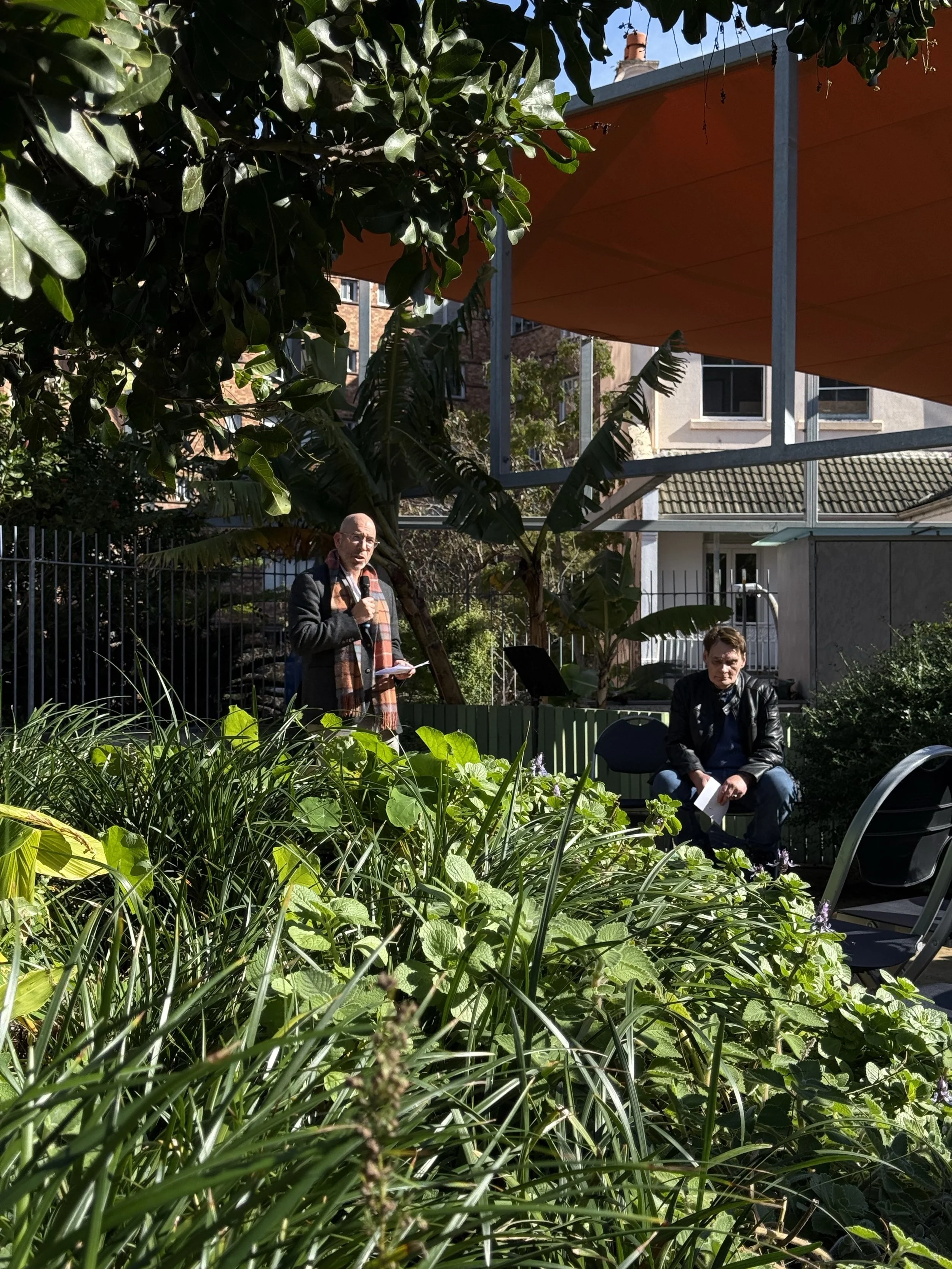
Phil Read, who leads Sexual Health and Blood Borne Virus Services at South Eastern Sydney Local Health District, opened the event.
“Too often, when society talks about drugs, we lose sight of the person. Behind every statistic is a human being. A son, daughter, parent, partner, friend, colleague or neighbour.”
He spoke about what happens when the world forgets there's a person behind each number, homelessness, poverty, family separation, prison, isolation. These harms feed off each other, and stigma makes every one of them worse, a burden that lands hardest on First Nations communities.
His answer to all of it was simple.
“A harm reduction perspective starts with a simple but profound idea. Every life has value.”
He pointed to needle and syringe programs, supervised injecting facilities, opioid agonist treatment, naloxone and peer-based services. Not as theories, but as proof, because they're already saving lives across the country.
He highlighted the importance of peer inclusion and lived and living expertise.
“People with lived and living experience are experts in their own lives and must be central to policy, service design and healthcare delivery.”
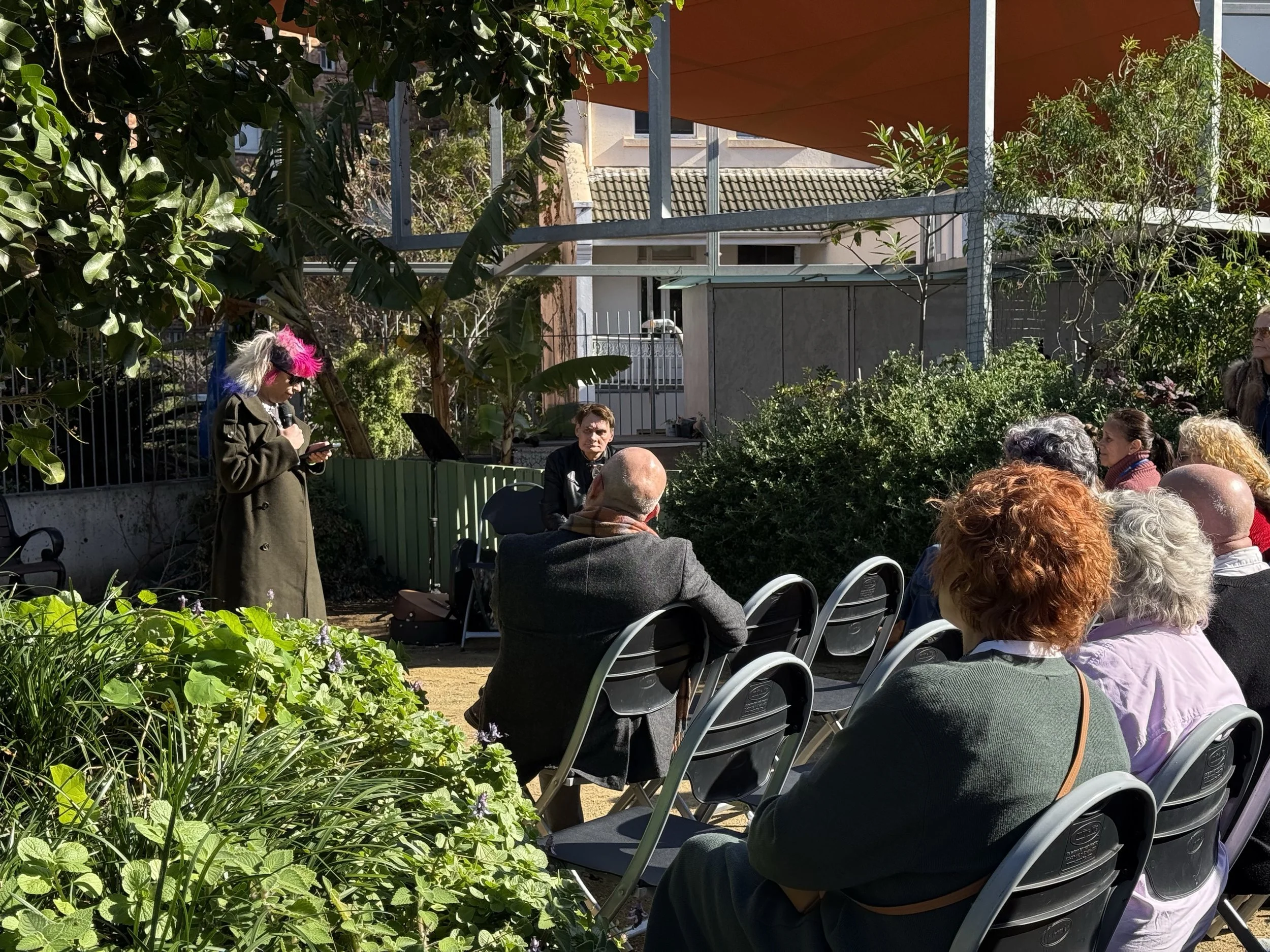
Erica Franklin, Communications Director at Harm Reduction Australia, wasn't interested in softening anything.
“All of these deaths have been political by nature. These deaths stem from a variety of policies and guidelines that claim to try and reduce the number of people dying.”
She talked about how grief and politics get tangled together, not because people want it that way, but because grief needs somewhere to go, and politics is often the only place left.
“It's really sad that often with the deaths that we experience, that we are also forced to politicise them, because it's the way that we make meaning from something that we cannot heal, because they're no longer with us.”
She also spoke on the importance of remembering those who carry the heaviest weight.
“When we have a day like this, we must recognise that our Aboriginal and First Nations communities are impacted in a way that many of us, with a different skin tone, don't experience.”
Erica closed with something closer to a rallying cry than a eulogy.
“The drug war was always designed to divide, diminish, and destroy us. And the only way to win that is the exact opposite, which is to connect, uplift, and empower... so that we can do justice for those who are no longer with us.”
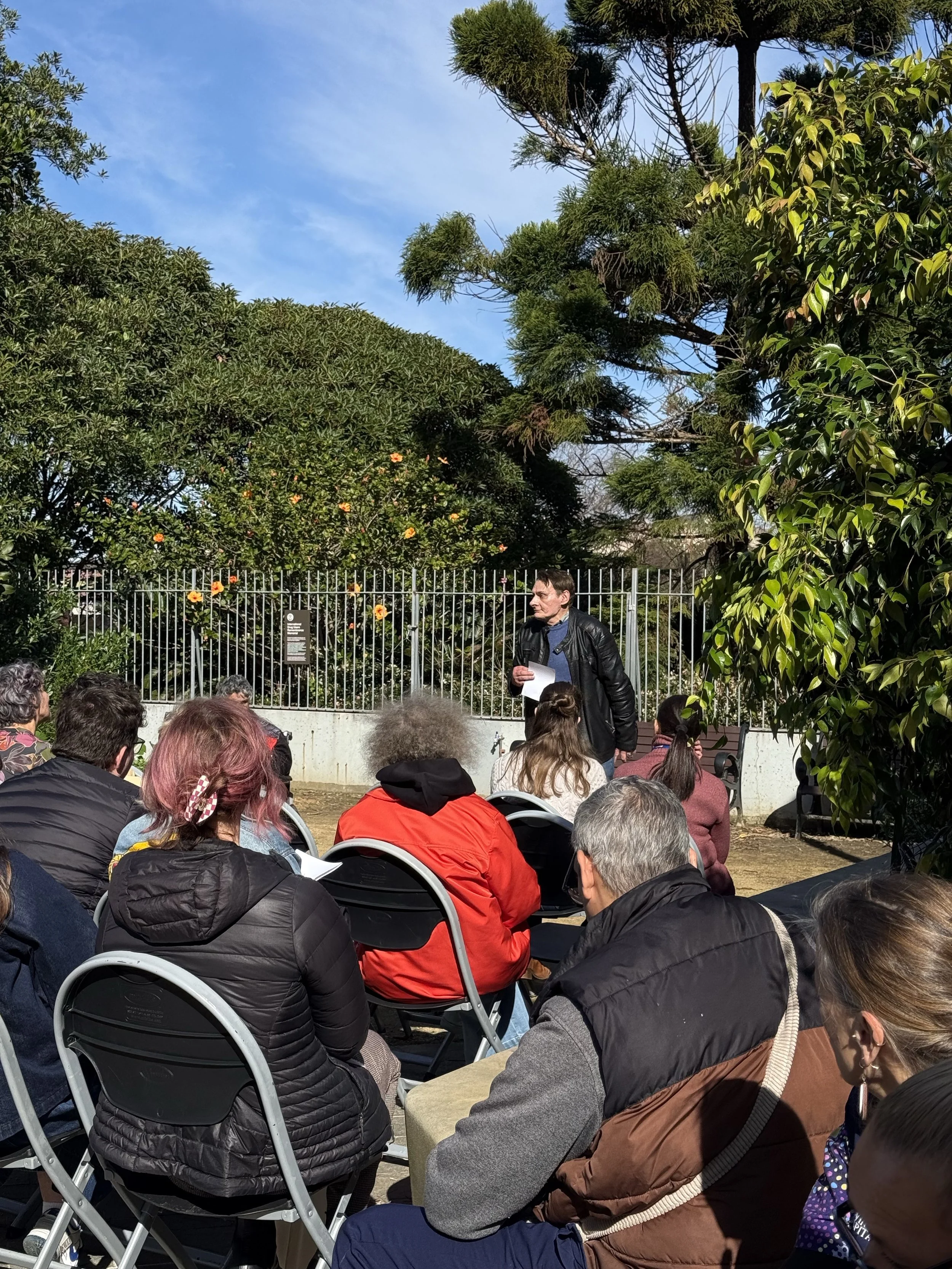
Tony McNaughton, Consumer Engagement HCV Specialist at NUAA, MCed the event, and told attendees about his own journey.
“I was a lost cause a few years ago. People would look at me and laugh. I would wake up in the morning with gashes on me and cuts... People wouldn't expect me to do much in life.”
“I had this hope though, that I would be okay, that one day I would find a purpose. Well now I've found a purpose. I know now my job is to test people and treat people for Hep C and blood borne viruses.”
He was clear about not wanting to tell his story for sympathy, but as a call for compassion and for people to look past the surface.
“There are a million me's out there. We all have something to offer. And some of us are just waiting for a chance.”
He also had a message about the risk of silence, and the power of open discussion.
“I think discussion is what we need. In a world where so many young people die of suicide, and so many people die in ambiguous and non-ambiguous situations with drug overdoses, we just need to talk about it and bring it into the everyday vocabulary. The silence has been going on far too long.”
Leading with love
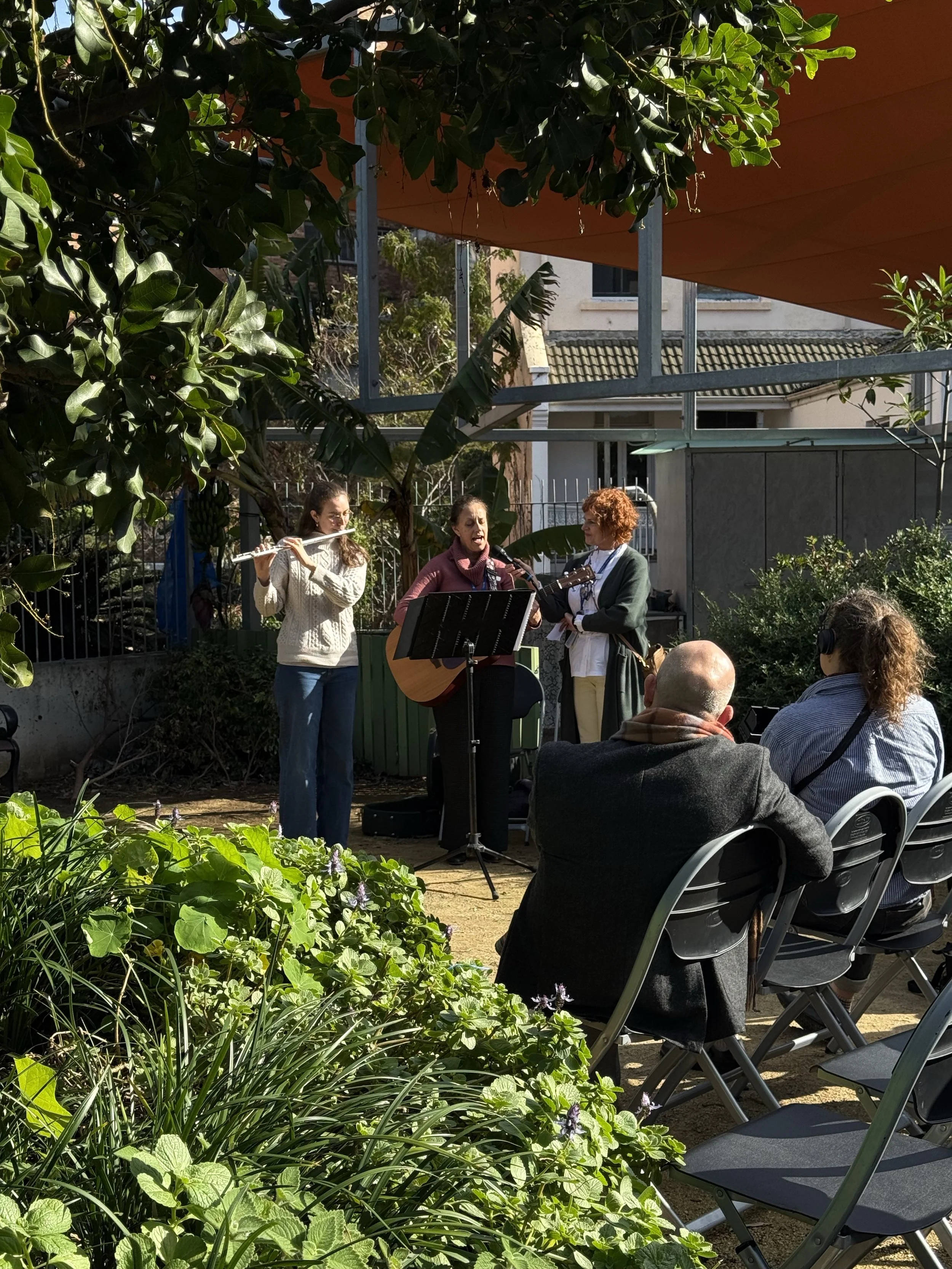
Jo Catling, Formation and Purpose Lead at St Vincent's Health Australia, admitted she'd underestimated the day.
“When I wrote this, I thought we were gonna be a small group, but we're actually beautifully large. So we're a great community.”
She asked the room for something harder than sympathy.
“I'm wishing that we could stand in awe of the burdens people carry, rather than standing in judgement for how they carry them. Those we remember today deserve our love and our care and great dignity.”
And she reminded everyone that this grief doesn't belong to one community alone.
“We know that the grief of losing a family member and a friend is a grief experienced by communities everywhere.”
For NUAA staff, IDURD is a deeply personal event. Two of the people who helped put yesterday together shared what the day means to them.
“International Drug Users Remembrance Day is important to me because it recognises that people who use drugs don't just die from overdose. It recognises how stigma, discrimination and criminalisation affect people's lives,” says Lucy, NUAA’s Peer Support Coordinator and one of the organisers of the event
“Drug use often results in people living marginalised lives, which can negatively affect their health and wellbeing.”
Reflecting on the words he spoke at the event, Tony noted that sharing our experiences, though difficult, is key to bringing people together.
“Friedrich Nietzsche said that when a person is exposed to the real world, they may never fit in again. I like that quote because it lets me feel less alone — I feel like someone understands.
“The way I present on this topic, I am filtered through layers of process, trauma and remedy. Whether those layers are still serving a purpose or not, they become part of my narrative,” he says.
“To honour the people I — we — have lost, I must do it through those layers. Here, I in turn am honoured to be in a position of expression. We move forward, but love will always prevent us from forgetting.”
The day may ask us for remembrance, but it goes much further than that.
Closing his speech, Phil called the audience to action.
“Let us honour those we remember not only with words, but with action. Let us build health and social systems that are compassionate rather than judgmental. Let us create services that are accessible rather than exclusionary,” Phil says.
“Every life lost is a person who was loved, valued and missed. Their memory challenges us to do better, to deliver better care, and to remain committed to a future where fewer lives are lost and more people are able to live healthy, connected and fulfilling lives.”
NUAA staff were proud to stand with our community at IDURD 2026. Days like this don't fix anything on their own. But they give us somewhere to put our grief, and something to carry back into the work we do.
We'll keep fighting stigma. We'll keep listening to people with lived and living experience. And on the 21st of July, every year, we'll keep remembering.