
Changes to Sublocade Availability
Friday, 10 July, 2026
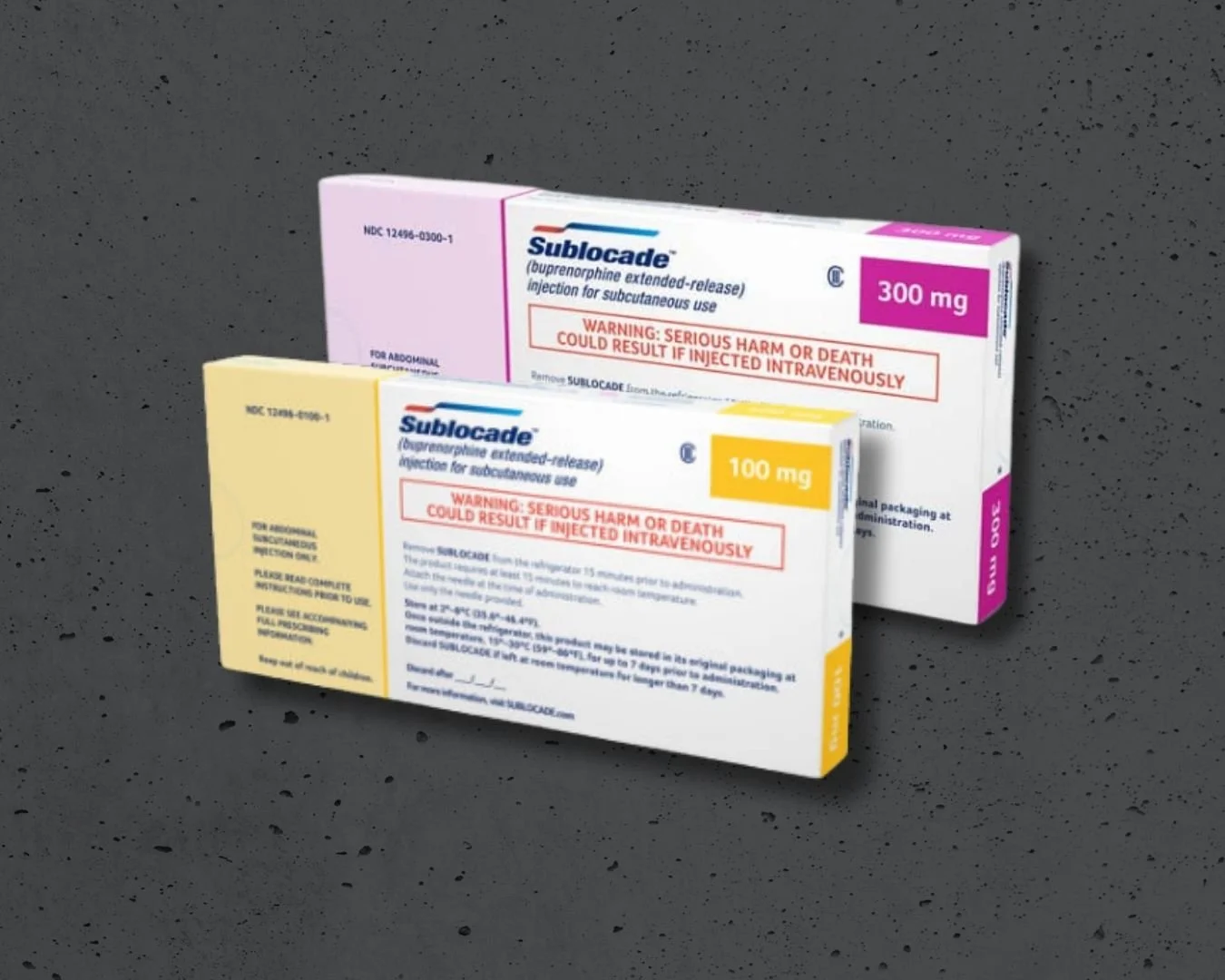
If you're on Sublocade, you may have already heard the news, and if you haven't, it's important that you do.
The pharmaceutical company Indivior has decided to stop supplying Sublocade in Australia.
Sublocade is a type of extended-release (long acting) buprenorphine, administered once a month by injection at a pharmacy or GP clinic. It is prescribed for opioid dependence as part of the Opioid Treatment Program. It acts as a substitute for opioids like heroin, morphine, oxycodone or codeine and helps withdrawal from opioids over a period of time.
Existing stock will continue to be available while supplies last, with the last planned supply date set for the 11th of December. From the 31st of December 2026, Sublocade will no longer be available on the Pharmaceutical Benefits Scheme (PBS), or anywhere else in the country.
This decision wasn’t made because of questions about the medicine’s safety, quality, or effectiveness. NSW Health, your doctor, or your pharmacy have not requested the medicine stop being provided in Australia. It is a commercial decision made by the company Indivior.This change is going to affect people across Australia who rely on Sublocade to manage opioid dependence, including many of readers of Users News.
We know this news might be worrying, especially if Sublocade has been working for you. This article will explain what's happening, what your options are, and who you can talk to.
Sublocade & the OTP
Sublocade was added to Australia's Pharmaceutical Benefits Scheme (PBS) in 2020 and quickly became an important Opioid Treatment Program option for individuals managing opioid dependence.
Unlike traditional medications such as methadone or daily buprenorphine tablets, Sublocade is administered as a long-acting monthly injection by a healthcare professional. This significantly reduces the need for frequent pharmacy visits and provides consistent medication levels throughout the month.
For many patients, this medication simplified their treatment by allowing them to focus on work, family, education, and rebuilding their lives instead of scheduling more frequent medication appointments.
Healthcare providers also noted that the long-acting formulation reduced missed doses and improved treatment adherence, making it an important option for patients seeking greater stability and flexibility.
What does this mean right now?
If you're currently on Sublocade, nothing changes just yet. You can keep receiving your injections as normal until the end of December. But it's a good idea to start thinking ahead and talking to your prescriber sooner rather than later.
Some doctors are already extending the interval between Sublocade doses for stable patients, so ask your prescriber whether that's an appropriate option for you in the meantime.
What will be changing?
Sublocade is one of two long-acting injectable buprenorphine treatments available in Australia, the other being Buvidal. Both are given by injection instead of daily dosing, but they're not identical.
Sublocade is a monthly-only injection, while Buvidal comes in both weekly and monthly options, giving a bit more flexibility around dosing intervals.
According to the Australian Institute of Health and Welfare, nearly 58,000 Australians were receiving treatment for opioid dependence on a single day in 2025, meaning a significant number of people are prescribed Sublocade specifically.
People who are prescribed Sublocade say it is genuinely life-changing, allowing them to work, travel and get on with life without the daily trip to the pharmacy.
Doctors have been vocal about how disruptive this change in availability could be. Switching medications carries a real risk of destabilising people who are find the current schedule beneficial.
Melbourne GP Dr Owen Harris said some patients respond significantly better to Sublocade than other long-acting injectable treatments.
“It's more stable, it lasts longer, people feel better on it, and it really has been life-changing for them,” he said.
He added that some patients can safely extend the interval between injections to six weeks or longer.
Although Buvidal, another long-acting buprenorphine injection in Australia, will remain available through the PBS, clinicians stress the two medicines are not identical in practice.
Pharmacist Angelo Pricolo, the first person in Australia to administer Buvidal, spoke of the differences in both medications, and the importance of their availability particularly for those in rural or remote areas.
He said there are “significant differences” between Sublocade and Buvidal, “that mean some patients respond better to one over the other”.
“We sometimes see those requiring higher doses do better with Sublocade and also the duration of action importantly can be different.”
“Choice for the patient and healthcare provider is very important and can be the factor that determines engagement in treatment or indeed a return to drug use.”
But it is not just choice that is the issue here, and the issue extends beyond simply replacing one medication with another.
When only one long-acting treatment option remains available, patients become more vulnerable to future supply disruptions, manufacturing shortages, or market withdrawals.
“If we only have one drug and for some unforeseeable reason it cannot be accessed, then that is a huge issue. The [drug dependency] treatment space is a delicate ecosystem with an already vulnerable cohort now seemingly dealt another unfair result.”
A federal health department spokesperson said, “any proposed discontinuation of a medicine can cause concern for patients and clinicians”.
“Maintaining access to safe, effective and affordable medicines remains a priority,” the spokesperson said.
“These are commercial decisions made by private companies, and the Australian government cannot compel a company to continue supply.”
Indivior has said it will work with health authorities and clinicians to make the transition as smooth as possible before supply ends.
The global scale
This change is tied up in much larger shifts happening across the global medicines market. Federal Health Minister Mark Butler has pointed to growing uncertainty in international drug pricing, largely driven by pricing debates underway in the United States.
At the centre of this is a US policy idea known as "most favoured nation" pricing, essentially a push to bring what Americans pay for medicines closer in line with the (typically lower) prices paid in other countries, including Australia.
Industry commentators say this is pushing drug manufacturers to look much harder at what they charge in every market, not just the US. The concern for a country like Australia is that some companies may choose to pull products out of smaller markets altogether, rather than risk a lower price here being used as leverage in pricing negotiations elsewhere, particularly in the much larger US market.
Brendan Shaw, a former chief executive of Medicines Australia, the industry body representing research-based pharmaceutical companies, has said manufacturers are now scrutinising their global pricing decisions far more closely than in past years.
He's flagged that if international pricing pressure keeps building, more medicines could disappear from smaller markets like Australia's, not just Sublocade.
The loss of Sublocade may be the first of several medicine withdrawals driven by pricing politics happening on the other side of the world, largely outside anyone in Australia's control.
Options going forward
Nobody can tell you which treatment is "better", that depends on you, your body, and what's worked for you in the past. But here's a rundown of the options available:
Buvidal (long-acting injectable buprenorphine): This is the option doctors expect most people will transition to. It stays on the PBS, and is available in both weekly and monthly doses.
Sublingual (under the tongue) buprenorphine: Daily or supervised dosing options remain available if injectables aren't right for you.
Methadone: Still a well-established, effective option for many people, especially if daily dosing and support at a pharmacy or clinic works for your life.
Who to talk to
Your prescriber or trusted doctor is your first point of contact. They can talk through the changes with you, and what option will work best for your circumstances. If your current doctor isn't accredited to prescribe alternatives, ask them who can help you find someone who is.
Opioid Treatment Line (OTL): 1800 642 428. They are a confidential helpline that provides information, referrals, advice, and can assist with any concerns you may have with prescribers or treatment.
NUAA's PeerLine: 1800 644 413 (free call, Monday–Friday, 9am–5pm) or peerline@nuaa.org.au. PeerLine is a confidential, judgement-free space to talk to someone who understands the program from the inside. If you're anxious about this change, or just want to chat to someone who gets it, give us a call.
If you live rurally or remotely:
Access to injectable options can be patchier outside metro areas, and it's fair to feel like this change will be trickier to navigate. A few things that can help:
The Drug & Alcohol Specialist Advisory Service (DASAS) is aimed at health professionals, but if your GP or pharmacist is unsure how to manage your transition, this is a resource you can point them to. They offers free, 24/7 phone advice, including a dedicated line for regional, rural and remote NSW: 1800 023 687 (Sydney metro: (02) 8382 1006).
Telehealth prescribing has expanded in recent years, so ask whether a telehealth appointment with an accredited prescriber is an option if travel is a barrier.
If your usual pharmacy doesn't stock Buvidal or can't administer it, the Opioid Treatment Line (1800 642 428) can help you find an alternative.
If you’re experiencing homelessness:
Stability of housing shouldn't determine your access to treatment, but we know in practice it affects things like appointment scheduling, transport, and having somewhere safe to store medication or information. A few things worth mentioning:
You do not need a fixed address to stay on the OTP. Prescribers and pharmacies are used to working with people in unstable housing.
If you're moving between services, shelters, or areas, tell your prescriber. They can help arrange continuity of care, or assist with handover to a new prescriber or pharmacist elsewhere.
Outreach and homelessness services often have existing relationships with local alcohol and other drugs services. Ask a caseworker or outreach worker for help connecting you with a doctor who can manage your transition.
NUAA’s PeerLine (1800 644 413) can also help advocate on your behalf if a service is treating you unfairly because of your housing situation. That's discrimination, and it's not something you have to put up with.
Australian health officials and providers will work with Indivior to help make the transition as smooth as possible, but we know it is less than ideal.
Although Sublocade will continue to be available for the next six months, we encourage our readers who are currently prescribed this medication to start the process of discussing and exploring other options with your healthcare provider.
NUAA will be here to advocate for you and support you through this transition.